



When you ask, “what are warehousing services,” you learn about an important part of business today. Warehousing means taking care of goods and keeping them in special buildings. You use a warehouse to keep things safe, count items, pick, pack, and ship them. Warehousing helps you keep products neat and ready to send out. Many companies need warehousing to help with daily work and keep their supply chains running well.
Key Takeaways
Warehousing services do more than just store things. They help keep track of inventory, fill orders, and organize products.
Picking the right warehousing type can save money. It also helps meet special business needs. You can choose public, private, bonded, or specialized warehousing.
Modern warehousing uses technology to work better. Management systems and automation help track inventory more easily and accurately.
Good warehousing helps the supply chain run smoothly. It makes sure deliveries are on time and lowers risks with inventory.
Choosing a warehousing provider with flexibility, a good location, and the right technology can help your business work better.
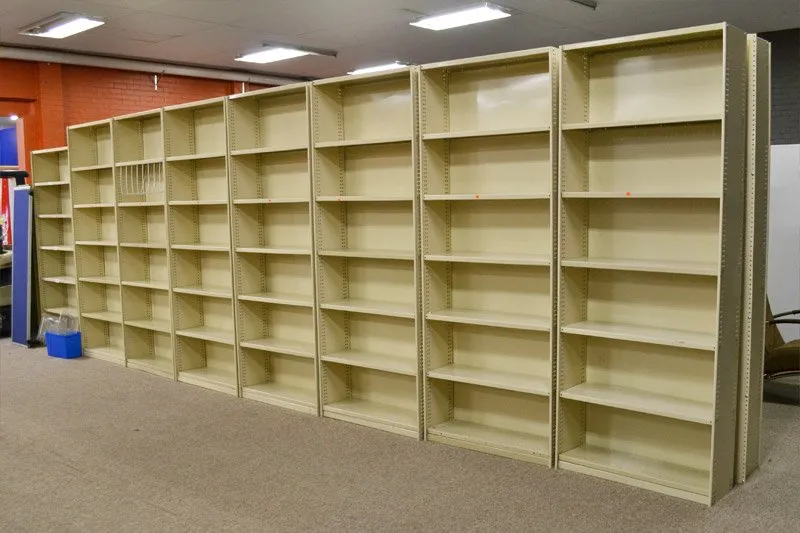
- Automatic Warehouse Racking System help maximize warehousing efficiency.
What are warehousing services
Definition and Core Purpose
When you ask, “what are warehousing services,” you find out these services do more than just store things. Warehousing service providers use special buildings called warehouses to keep your goods safe and neat. You get more than a spot to put your stuff. You also get help managing your products, which makes your business work better.
Here is a table that shows the main reasons for warehousing services, as explained by top supply chain groups:
Core Purpose | Description |
|---|---|
Efficient Storage | Warehouses give organized storage for many goods, lowering the chance of theft or damage. |
Inventory Management | They help you track how much stock you have and when to order more so you do not run out. |
Order Fulfillment | Picking, packing, and shipping are done in one place to make deliveries faster and keep customers happy. |
Reduced Risks | Warehousing lets suppliers buy and store goods when prices are low, which helps avoid price jumps. |
Value-Added Services | Extra services like labeling and making products special help meet customer needs and rules. |
You use warehousing to keep your products safe and ready for buyers. Modern warehousing services also help you watch your inventory and make sure you always have what you need.
Main Functions
Warehousing services help you in many ways. These services let you manage your products from when they arrive until they go to your customers. Here are the main things you get with warehousing:
Receiving: You get new goods and check if they are correct.
Storage of goods: You keep your items safe and organized.
Putaway: You put things in the right spot in the warehouse.
Inventory management: You keep track of your stock and guess what you will need.
Picking and packing: You choose items and get them ready to ship.
Shipping and distribution: You send orders out fast and correctly.
Value-added services: You can use extra help like labeling, kitting, assembly, cross-docking, palletizing, custom packaging, and quality checks.
Tip: Today’s warehousing services often connect with your sales and give you big data reports. You get updates right away and can use this information to make smart choices.
Warehousing is not just about storing things. It means handling, tracking, and getting products ready to send. This helps your business work better and keeps your customers happy.
How Warehousing Supports Businesses
You count on warehousing services to keep your business running well. These services help your daily work and let your business grow. Here are some ways warehousing helps you:
Inventory management: You always have the right items when your customers want them.
Order fulfillment: You fill and ship orders fast, which makes customers happy.
Storage and handling: You keep your products safe until you need to send them.
Real-time data: You get quick updates about your stock, shipments, and orders.
Automation: You make fewer mistakes and do jobs like picking and packing faster.
Seamless integration: You link your warehouse with shipping and other business parts for better teamwork.
When you use modern warehousing services, your business works better and your customers are happier. You can also grow your business and handle busy times without problems. Warehousing helps you save money, see what is happening, and build trust with your customers.
If you want your business to do well, you should know what warehousing services are and how they help. Warehousing gives you tools to manage your products, fill orders, and keep your customers coming back.
Types of warehousing
There are different types of warehousing services. Each type helps different businesses. You can pick a warehouse that fits your products and budget. You also choose how you want to manage your goods.
Public Warehousing
Public warehousing is a flexible way to store goods. A third-party owns the warehouse and rents space to many companies. You do not have to buy a building or pay taxes on it. You can change your storage space when your needs change. Small businesses like public warehouses because they save money and get help with inventory.
You can rent space for a short or long time.
You do not pay big costs at the start.
You get help with order shipping and tracking inventory.
Note: Public warehousing is good if your business is busy only sometimes or if you want to focus on selling, not running a warehouse.
Private Warehousing
Private warehousing means you own the warehouse. You control how you store and move your goods. This gives you full control and lets you set up the space your way. Big companies use private warehouses because they have lots of goods and need special setups.
Aspect | Public Warehousing | Private Warehousing |
|---|---|---|
Ownership | Third-party | Single company |
Upfront Cost | Low | High |
Control | Shared | Full |
Bonded Warehousing
Bonded warehousing lets you store imported goods before you pay customs fees. The government gives these warehouses a license. You must follow strict rules for safety and records. Companies use bonded warehouses for things like alcohol, electronics, and luxury items.
Requirement | Description |
|---|---|
Customs Authorization | Must have a license |
Security Measures | Must follow strict safety rules |
Record-Keeping | Must keep detailed inventory records |
Distribution Centers
Distribution centers move goods fast. You use them to send products from factories to stores or customers. These centers sort, pack, and ship orders quickly. They are important for online shopping and stores.
Goods stay for a short time.
Workers pick, pack, and ship orders fast.
You keep products close to buyers.
Specialized Warehousing
Specialized warehousing stores goods that need special care. Some goods need cold storage or climate control. Some warehouses keep dangerous materials and follow safety rules.
Pharmaceuticals: Vaccines, insulin, and medical samples.
Cold chain: Foods that spoil and chemicals.
Hazardous materials: Flammable liquids, toxic chemicals, and gases.
When you know about the types of warehousing, you can choose the best one for your business. Each type helps different products and business plans.
Warehousing benefits for businesses
Cost Savings
Warehousing can help you save money in many ways. If you use outsourcing warehousing services, you do not need to build your own warehouse. You also do not have to pay to run it. Warehouses use smart labor and energy-saving ideas to cut costs. They use tall racks to store more items in less space. High-demand products are kept close to packing stations. This saves time and money when moving goods. You can put shipments together to use less space. Regular checks on equipment stop big repair bills. Good inventory tracking keeps your items safe from loss or theft.
Use smart labor management
Keep popular items near shipping
Store items on tall racks
Put shipments together
Use less space and energy
Check equipment often
Efficiency and Scalability
Warehousing helps you work faster and grow bigger. You can change your space and staff when you need to. You do not pay for extra space when things are slow. When you get busy, you can add more storage and workers. Orders get filled faster and with fewer mistakes. Technology like warehouse management systems and RFID helps track inventory better. If you use outsourcing warehousing services, you can focus on your main business. Experts will handle the logistics for you.
Change space and staff as needed
Add storage during busy times
Fill orders faster and track inventory better
Use technology for good inventory tracking
Risk Reduction
Warehousing helps lower risks for your business. You avoid mistakes with inventory, broken equipment, and not enough workers. Good inventory tracking keeps your goods safe from damage or theft. You only pay for the space and services you use, so you do not waste money. Warehousing lets you match storage to your business plan. This means you do not take on too much.
Tip: Good inventory management and smart logistics protect your business from surprises.
Supply Chain Impact
Warehousing is important for supply chain management. You keep enough stock to meet customer needs, even if there are problems. Warehouses in good spots help you ship faster and save money. New systems in warehousing make order filling and logistics better. You fill more orders on time and make fewer mistakes. This makes customers happy and helps your business grow.
KPI | What It Measures |
|---|---|
Order fulfillment rate | How often you deliver orders on time and complete |
Inventory accuracy | How well you track and manage your stock |
Total time to ship | How fast you send orders to customers |
Warehousing gives you ways to reach new markets and keep your supply chain strong.
Choosing a warehousing provider
When you pick warehousing services, you need to think about a few key things. The best provider helps your business get bigger and keeps your supply chain working well.
Technology and Automation
You should see what technology the provider uses. Modern warehouses use tools like warehouse management systems, robots, and smart gadgets. These tools help you watch your inventory, make fewer mistakes, and ship orders faster. For example, warehouse management systems let you check your stock right away and use barcode scanning for each step. This can help you get over 99% order accuracy. Here is a table that shows the newest technology trends in warehousing:
Technology Trend | Description | Benefits |
|---|---|---|
Warehouse Management Systems | Software to control and monitor operations | Better inventory, lower labor costs |
Collaborative Robots (Cobots) | Robots that work with people | Faster work, fewer errors |
Automated Guided Vehicles (AGVs) | Vehicles that move goods on their own | Less manual work |
Artificial Intelligence (AI) | Smart systems for sorting and organizing | More efficient operations |
Customization and Flexibility
You want a provider that gives you customized warehousing services. Every business needs something different. Some products need special care or storage. Customized warehousing services let you choose the best options for your goods. You can ask for special packing, labels, or climate control. This helps you serve your customers better and follow any rules for your industry.
Tip: Flexible providers change their services when your business changes. You can get more space or new features when you need them.
Location and Accessibility
Location is important when you pick a warehousing provider. You want your warehouse close to your suppliers and customers. This makes shipping faster and cheaper. Good roads, ports, and airports make shipping easier. You also need a place with good workers and fair land prices. Here are some key things to think about:
Close to suppliers and customers
Good transportation networks
Skilled workers nearby
Fair real estate prices
Local rules
Suitability for Business Size
You should choose a provider that fits your business size. Small companies may need less space and simple help. Big companies often need large warehouses and advanced systems. The right provider grows with you and supports your plans. This helps you not pay for more than you need.
Choosing warehousing services is a big choice for your business. Look for good technology, flexibility, location, and the right size fit. This will help you get the most from your warehousing investment.
Warehousing services help you keep, organize, and send out products safely. You get better control of your stock, ship orders faster, and spend less money. Here is a simple chart showing how warehousing works in supply chains:
Aspect | Warehousing | Logistics |
|---|---|---|
Focus | Storing and managing inventory | Transporting and delivering goods |
Integration | Must integrate for smooth flow | Works with warehousing |
Importance | Essential for inventory | Critical for customer delivery |
You can see your inventory more clearly.
You fill orders quicker.
You make customers happier.
Pick the best provider to help your business stay strong and grow. Warehousing is still very important for today’s supply chains.
FAQ
What is the main job of a warehouse?
A warehouse keeps your goods safe. You use it to keep products neat. You can also check your inventory and get orders ready to ship.
How do warehousing services help my business grow?
Warehousing services help you handle more products. You can send out orders faster and find new customers. This helps your business get bigger.
Can I use warehousing services for small businesses?
Yes! You can use warehousing services if your business is big or small. Many providers have plans that work for small companies.
What technology do modern warehouses use?
Modern warehouses use things like barcode scanners, warehouse management systems, and robots. These tools help you check your stock and ship orders fast.
Are there special warehouses for certain products?
Yes. Some warehouses have climate control or extra safety steps. You can keep food, medicine, or dangerous items in these special warehouses.

 EN
 ES
 FR
 PT
 DE
 IT
 RU
 JA