



You might ask, “What is cold chain logistics?” It refers to the process of moving and storing goods that require specific temperature controls. This ensures that they remain safe and effective. Cold chain logistics is essential for items such as food, medicine, chemicals, and fresh agricultural products. This process is crucial for maintaining the quality and safety of these items, particularly for pharmaceuticals that require consistent temperatures. The table below lists some products that need cold chain logistics:
Product Category | Description |
|---|---|
Food & Beverages | This is the largest category in cold chain logistics. Consumers demand both fresh and processed foods. |
Pharmaceuticals | Essential for keeping drugs, vaccines, and biologics safe and at the correct temperature. |
Chemicals | Certain chemicals require specific temperatures to remain safe and function properly. |
Agriculture | Involves the storage and shipping of fresh items, helping to prevent food loss after harvest. |
Key Takeaways
Cold chain logistics makes sure products that need certain temperatures stay safe when stored and moved.
Good monitoring and using the right technology help stop products from going bad and keep them good.
Following rules and keeping clear records are very important for safety and following laws.
Buying strong equipment and teaching workers can lower problems and make cold chain work better.
Knowing why cold chain logistics matters helps companies keep their products safe and protect their name.
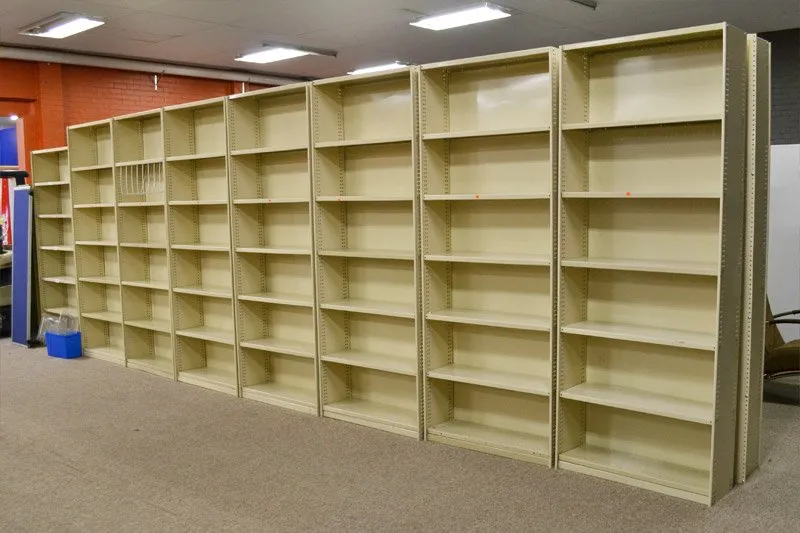
- Cold store rent is very expensive, customers need cold storage racking for as many pallets as possible
What is cold chain logistics
Definition and scope
When you ask, “what is cold chain logistics,” you want to know how companies keep perishable goods safe when they store and move them. Cold chain logistics means taking care of products that need certain temperatures. This helps food, medicine, and chemicals stay safe and work well. These items must stay cold or frozen.
You can understand cold chain logistics by looking at its main parts. The table below shows the important pieces of this system:
Key Element | Description |
|---|---|
Definition | Cold chain logistics involves handling, storing, and transporting perishable goods under temperature-controlled conditions. |
Importance | Ensures safety and effectiveness of products like food, pharmaceuticals, and chemicals from origin to destination. |
Components | Includes packaging, storage, transport, and monitoring to maintain proper temperatures. |
Monitoring | Utilizes technologies like IoT sensors and RFID tags for real-time tracking of temperature and conditions. |
Many industries use cold chain logistics. These include food and beverage, pharmaceuticals, and chemicals. Cold chain logistics works in many places around the world. You see it in North America, Europe, Asia-Pacific, Latin America, and the Middle East & Africa. Companies use cold chain logistics for storage, moving goods, and extra services like packaging and tracking.
Tip: If you work with perishable goods, you should know about cold chain logistics. This helps keep your products safe and high-quality.
Types of cold chains
There are two main types of cold chains: refrigerated and frozen. Each type uses different temperatures and steps to protect products.
Here is a table that explains the difference between refrigerated and frozen cold chains:
Cold Chain Type | Temperature Range | Operational Processes |
|---|---|---|
Refrigerated | 2 to 8 degrees Celsius (36 to 46 degrees Fahrenheit) | Uses gel packs or coolant materials; suitable for products sensitive to heat but not requiring freezing. Safe transport duration is a few days to a couple of weeks. |
Frozen | Below 0 degrees Celsius (32 degrees Fahrenheit) | Requires stringent monitoring; designed for products that must remain frozen, such as frozen foods and certain pharmaceuticals. Longer transit times are necessary to maintain freezing. |
Refrigerated cold chains are for things like fresh fruits, dairy, and some medicines. These need to be cool but not frozen. Frozen cold chains are for things like ice cream, frozen meat, and some vaccines. These must stay frozen all the time.
Cold chain logistics is used all over the world. North America and Europe have strong systems and rules. Asia-Pacific is growing fast because more people live in cities and want fresh food. This worldwide need makes cold chain logistics important for anyone who works with perishable goods.
Importance of cold chain logistics
Industries and products
Many industries use cold chain logistics for their products. These products need to stay at certain temperatures. Cold chain systems help keep these goods safe and good to use. The table below shows which industries use these systems the most and what they move:
Industry | Leading Products |
|---|---|
Food and Beverage | Perishable items like fruits, vegetables, dairy products, and frozen goods. |
Pharmaceutical | Vaccines and biologics that are sensitive to temperature fluctuations. |
Biotechnology | Biological samples and reagents used in research and diagnostics. |
Chemical | Temperature-sensitive chemicals that require specific conditions. |
Healthcare | Medical devices and diagnostic equipment with temperature-sensitive components. |
Floral | Cut flowers and plants that need to be kept at optimal temperatures. |
Seafood | Fresh and frozen seafood products that require cold storage to maintain quality. |
People in these fields handle temperature-sensitive products every day. Keeping these products safe is important for business and for people’s safety.
Product safety and quality
When you work with temperature-sensitive products, you must keep them safe. Cold chain logistics helps keep food, medicine, and other goods at the right temperature. This makes them last longer and cuts down on waste. For example:
Food waste costs $2.6 trillion every year.
Most food goes bad because it is not kept cold enough.
Food at 70 degrees Fahrenheit spoils much faster than at 33 degrees Fahrenheit.
Refrigeration keeps these products safe as they move through the supply chain. This helps products arrive fresh and still work well. Good cold chain management also means less waste and better product quality.
Note: If you work with pharmaceuticals, you should know that 44% of new drugs approved by the FDA in 2018 need cold chain logistics. This number is going up as more temperature-sensitive products are made.
Risks of failure
If you do not protect the cold chain, you can lose money and trust. Many things can go wrong, like broken equipment or mistakes by people. Here are some common risks:
Bad refrigeration equipment can ruin temperature-sensitive products.
Opening doors too much lets in warm air and hurts the products.
Loading things the wrong way blocks air and causes uneven cooling.
Delays during transport can make products too warm.
People can make mistakes, like not cooling vehicles first or missing temperature checks.
If these things happen, you can have:
Spoiled products, which cost money.
Safety problems, because spoiled products can hurt people.
Damage to your reputation, which can last a long time.
For example, if a pharmaceutical company sets a fridge wrong, vaccines can freeze and be ruined. This can cost over $500,000. The pharmaceutical industry loses about $35 billion each year from cold chain failures. The food industry also loses a lot when products spoil. You must keep your products safe to avoid these problems and keep your business strong.
Key components and technology
Temperature-controlled storage
You need good temperature-controlled storage to keep things safe. Cold storage stops heat and humidity from hurting products. There are different rooms for different temperatures. Backup power keeps cooling on if the power goes out. Pre-cooling systems cool products fast after they are made or picked. Cold storage buildings make a safe place for shipping these goods. Climate-controlled areas stop spoilage and keep things fresh.
Stops heat and humidity from hurting products
Has different rooms for different temperatures
Backup power keeps cooling on
Pre-cooling cools products fast
Refrigerated transport
Cold transport moves goods safely to new places. You use refrigerated trucks, containers, and special vehicles for this. These vehicles have cooling units to keep the right temperature. Sensors check the inside temperature. Telemetry sends live data about location and temperature. Alarms warn you if it gets too hot or cold. Data logging proves you kept the right temperature during the trip.
Equipment Type | Description |
|---|---|
Refrigerated trucks (Reefers) | These trucks keep the same temperature with their own cooling system. |
Refrigerated containers | Used for ships and trains, they hold more and work well. |
Thermally insulated vehicles | Good for short trips when you do not need active cooling. |
Packaging solutions
You need the right packaging to keep products safe in cold transport. Passive packaging uses gel packs and liners to keep things cool. Active packaging has its own cooling for better control. Hybrid systems use both ways for the best results. Green options, like paper coolers, help the planet and protect goods. Smart packaging uses sensors and cloud tools for live checks. Visual signs show if the temperature was right.
Passive: gel packs, liners
Active: built-in cooling
Hybrid: uses both ways
Green options: recyclable materials
Smart tech: live checks and visual signs
Monitoring systems
Monitoring is very important in cold chain technology. You use devices to check and record temperature all the time. Real-time alerts tell you fast if there is a problem. Dashboards and reports help you see patterns and make good choices. Alarms warn you if the temperature changes. Corrective actions tell you what to do if something goes wrong. An audit trail keeps records of all checks for rules and tracking. Monitoring stops spoilage, cuts waste, and keeps products safe.
Component | Function |
|---|---|
Temperature Sensors | Check and record temperature at many points. |
Environmental Alarms | Warn you if temperature changes during storage or travel. |
Real-Time Alerts | Tell you fast about problems so you can act. |
Dashboards and Reporting | Show patterns to help you make better choices. |
Corrective Actions | Tell you what to do if temperature changes. |
Audit Trail | Keep records of all checks for rules and tracking. |
Tip: Monitoring and live data help you stay in control. You can fix problems before they get worse. This keeps your products safe and your customers happy.
Cold chain management and compliance
Regulatory standards
You have to follow strict rules in cold chain management. These rules keep products safe and legal. Each country has its own standards for cold supply chain management. The United States and the European Union have some of the most important rules. These rules help you control temperature, keep records, and track products. Here is a table that lists key regulations:
Regulation | Description |
|---|---|
U.S. Food Safety Modernization Act (FSMA) | Demands strict temperature control, documentation, and traceability. |
FSMA Rule 204 | Requires you to keep key data and provide records to the FDA within 24 hours. |
Sanitary Transportation Rule | Sets rules for vehicle design, training, and temperature control. |
Hazard Analysis and Risk-Based Preventive Controls (HARPC) | Requires risk checks and preventive steps. |
EU General Food Law (EC 178/2002) | Focuses on traceability and hazard prevention. |
Regulation (EC) No. 37/2005 | Requires full temperature monitoring for cold chain foods. |
If you do not follow these rules, you can get fined. Your shipments might be rejected or you could lose your license. Rules are different in each country, so you need to stay updated.
Documentation
Good records are very important in cold chain management. You must keep clear records to show you follow the rules. These records help you prove your cold supply chain management works well. Here is a table of important documents:
Documentation Type | Description |
|---|---|
Equipment cleanliness | Records of regular checks and cleaning of refrigeration equipment. |
Transportation protocols | Rules for handling products, including temperature checks and delivery times. |
Training records | Proof that staff know how to handle products safely. |
Temperature monitoring | Logs of product temperatures during storage and transport. |
Written procedures | Step-by-step guides for following cold chain regulations. |
You need to keep these records neat and organized. Different countries may want different documents, so always check local rules.
Management best practices
You can make cold chain management better by using smart ideas. Here are some best practices:
Use new technology like sensors and data tools for live checks.
Make clear rules and steps to lower risks.
Train your team often and keep records of their training.
Pick partners who know how to handle temperature-sensitive goods.
Plan your deliveries and set clear rules for everyone.
Use green methods to help the planet and follow the rules.
Tip: Good leaders and a culture of following rules help you avoid mistakes and improve your cold supply chain management.
If you follow these steps, your products will stay safe. You will meet the rules and your customers will trust you.
Challenges in cold chain logistics
Common issues
There are many problems in cold chain logistics. These problems can make products unsafe or lower their quality. Some common problems are:
Not enough paperwork can cause rule-breaking and fines.
If you cannot see where goods are, you cannot track them well.
Delays can make perishable items go bad faster.
Equipment that breaks can change temperatures and hurt products.
Cleanliness is needed to stop germs and pests.
Loading and unloading can warm up goods and cause harm.
Cold chain work also needs good weather and strong roads and buildings. Climate change brings hotter days and more storms. These things can break roads, storage, and trucks. Shipments can be late, and products might spoil.
The Federal Highway Administration says 23% of shipping delays are from bad weather. Heavy rain, snow, and hurricanes can stop trucks and trains. This is a big problem for companies with temperature-sensitive goods.
There are real examples of these problems. In 2021, a U.S. food company used weather reports to avoid a hurricane. They changed delivery routes to keep food safe. In 2017, Hurricane Harvey stopped Texas trucks. Frozen food and medicine could not get delivered.
Solutions and innovations
New technology and smart ideas help fix cold chain problems. Here are some ways to make things better:
Automation in cold storage makes work faster.
AI systems help you follow rules and see goods better.
Phase change materials keep products at the right temperature.
Vacuum-insulated panels give strong protection for sensitive goods.
Better refrigerated containers keep steady temperatures.
Real-time monitors send alerts if it gets too hot or cold.
Dry ice keeps things fresh on long trips.
Advanced tracking lets you see goods and act fast.
Smart platforms use IoT, thermal modeling, and geofencing for control.
Recent tech has made cold chain logistics stronger. IoT lets you watch goods all the time. AI and machine learning help you spot problems early. Robots make work quicker and more exact. Platforms like Paxafe’s Live Risk have tools like Predictive Time of Arrival and Predictive Time to Excursion. These tools help you act before problems happen and save products.
These new ideas give you more control. They help keep temperature-sensitive goods safe from common risks.
You help make cold chain logistics work well. This process keeps perishable goods safe from start to finish. The table below shows why cold chain logistics is important:
Key Aspect | Description |
|---|---|
Definition | Cold chain logistics means keeping perishable products at the right temperature. |
Importance | It helps keep people healthy and stops waste. |
Industry Reliance | Food, pharma, and biotech need good cold chains. |
To do well, you should:
Always follow the rules and keep good records.
Use cold packs and tools that check temperature.
Work with experts and trusted partners.
Remember, good management and following rules keep your products safe. This also makes your customers happy.
FAQ
What does cold chain logistics mean?
Cold chain logistics is keeping products at the right temperature. You use special storage and transport to protect things. Monitoring helps keep food and medicine safe.
Why do you need cold chain logistics?
Cold chain logistics stops products from going bad. It keeps food safe and medicine working. Chemicals stay stable. This helps protect health and cuts down on waste.
How do you monitor temperatures in the cold chain?
Sensors and data loggers check the temperature all the time. These tools send alerts if there is a problem. You can see the temperature data right away.
What happens if the cold chain breaks?
If the cold chain breaks, products can go bad or be unsafe. You might lose money and people’s trust. Some things, like vaccines, may not work anymore.
Which industries use cold chain logistics the most?
Industry | Example Products |
|---|---|
Food & Beverage | Dairy, meat, produce |
Pharmaceuticals | Vaccines, drugs |
Chemicals | Lab reagents |
Cold chain logistics is used in these industries every day.

 EN
 ES
 FR
 PT
 DE
 IT
 RU
 JA