



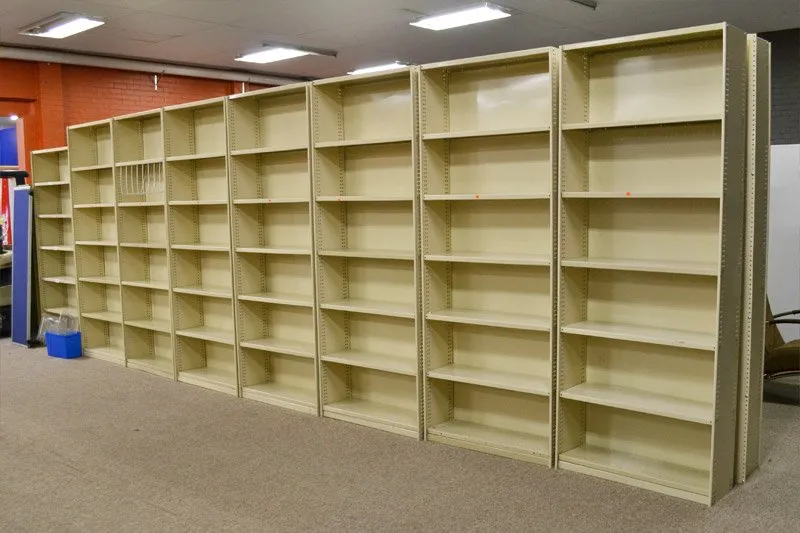
When you ask, “what is cold chain management,” you learn about a system designed to keep perishable products safe by controlling temperature. This system operates from the beginning to the end of the supply chain. Cold chain management is essential for protecting medicines and food, utilizing temperature-controlled storage and trained workers. In the cold chain industry, strict temperature rules are implemented to ensure product safety. These regulations also help maintain the high quality of medicines. If temperatures fluctuate, products may not function properly and could become unsafe. Regulatory groups emphasize the need for strong cold chain management to ensure that products remain safe for you and others. Suitable cold chain racking will help a lot to incrase warehousing capacity and fulfilment efficiency.
Key Takeaways
Cold chain management keeps food and medicine safe by keeping them cold. – It has steps like storing, packing, checking, and moving items. – People need the right training and tools to do cold chain management well. – Some products need to be frozen, while others need to be kept cool. – Watching the temperature all the time helps stop spoilage and keeps things safe.
What is Cold Chain Management
Definition and Scope
When you ask what is cold chain management, you learn it is a system that keeps temperature-sensitive products safe. This system works from the start to the end of their journey. International logistics groups say cold chain management means moving these products in a controlled temperature environment. This happens during making, packing, and shipping. It helps food, medicine, and vaccines stay safe and work well. You see cold chain management in many steps like storage, packaging, tracking, moving, customs checks, product handling, and safe delivery. Each step helps keep perishable goods safe and good.
You can split what is cold chain management into main steps:
Storage: You use coolers, fridges, and freezers to keep products cold.
Packaging: You use special packing to keep things cold and safe when moving.
Tracking: You watch products with tools that show temperature and location.
Transportation: You move goods in trucks and containers that stay cold.
Customs clearance: You check rules so products do not get stuck or delayed.
Product management: You handle and move products carefully in the cold chain.
Delivery: You make sure products get to the right place safely and meet all rules.
Key Components
You need some important things for cold chain management to work. These are equipment, trained people, and clear steps to follow. You must plan well to keep products at the right temperature. Smart tools help you check the temperature all the time. Training is needed so cold chain managers know how to handle different products. You also need solutions that fit each product’s needs.
Here are the main parts you use in what is cold chain management:
Trucks, containers, and freezers that keep things cold
Trained workers who know how to handle these goods
Good ways to handle products so they do not spoil or get dirty
Careful planning and teamwork from start to finish
Tools that let you see and check products in real time
Cold chain management services use systems and rules to keep products at the right temperature. You stop spoilage, dirt, or loss by following strict steps when moving, handling, and storing. Good planning, clear records, and discipline help you do well in this job.
Types of Cold Chains
You find different cold chains based on what temperature the products need. The two main types are refrigerated (chilled) and frozen chains. Each type is for certain products and uses different temperatures.
Type of Cold Chain | Temperature Range | Applications |
|---|---|---|
Frozen Cold Chain | Below 0°C (32°F) | Frozen foods, certain pharmaceuticals |
Chilled Cold Chain | Above 0°C (32°F) to a specific threshold | Perishable foods like dairy, fresh produce, certain medical products |
There are also other types, like ultra-cold chains for some vaccines and samples, and room temperature chains for some medicines and chemicals. For example, frozen chains keep ice cream and seafood below 0°C. Chilled chains keep dairy and fruits a little warmer.
Tip: Always check what temperature each product needs. Even a small change can make products unsafe or lower quality.
When you know what is cold chain management, you see it is used for many products and jobs. You use the right tools, follow rules, and train your team to keep everything safe from start to finish.
Importance of Cold Chain Management
Product Integrity
Cold chain management helps keep perishable goods safe and good. It controls temperature from the factory to your hands. If the temperature changes, problems can happen fast. For example:
Ice cream gets ice crystals if it melts and freezes again. This makes it taste and feel strange.
Vaccines can stop working if the temperature goes up or down. They might look fine but not work right.
If cold chain integrity fails, products may look okay but are not safe. You might get food or medicine that does not work. That is why temperature control is very important for everyone in the supply chain.
Safety and Compliance
You have to follow strict rules to keep products safe. In the United States and Europe, there are laws you must follow:
Keep products in the right temperature range when moving and storing.
Watch the temperature all the time and write down the numbers.
Show a full record for each product to prove it is safe and good.
Regulation Type | Key Requirements |
|---|---|
Temperature Control | Keep products in specific temperature ranges during transport and storage. |
Packaging Standards | Use insulated packaging and clear labels like ‘keep refrigerated.’ |
Monitoring Requirements | Use data loggers and GPS tracking; keep reports ready for inspection. |
Certification Needs | Certify vehicles, warehouses, and staff. |
Compliance with Laws | Follow local laws in each country. |
Staff Training | Train workers on best practices for handling and temperature control. |
Regular Updates | Stay up to date with changing regulations. |
Customers want their products fast and safe. They trust you to do a good job. If you break the rules, you can get fined, lose products, or lose customers.
Waste Reduction
Cold chain management helps you waste less and save money. If temperature control fails, you lose products and money. Studies show:
Sector | Percentage of Waste | Source |
|---|---|---|
Pharmaceuticals | Over 15% | Sensire Blog |
Vaccines | 25% degraded | Cargosense Study |
Scrapped Drugs | 30% due to logistics | Cargosense Study |
Temp-sensitive | 20% damaged | Cargosense Study |
Food Industry | 20% damaged | IoT Analytics Article |
You can waste less by using smart cold chain management. This means better ways to control temperature and store products. Keeping things at the right temperature protects your goods and your business.
Note: Cold chain management is important for safety, quality, and less waste. You need strong temperature control and must follow food safety rules to keep perishable goods safe.
Cold Chain Logistics Process
Storage and Packaging
You begin cold chain management with careful storage and packaging. First, you chill products to the right temperature before loading them. You test your equipment so it does not break during transport. Use insulated materials like foam panels or special boxes to keep things cold. Sometimes, you use machines that cool products for long trips. For short trips, you can use gel packs or phase change materials. These do not need power. The table below lists common refrigerants:
Refrigerant Type | Definition | Benefits |
|---|---|---|
Dry Ice | Solid form of carbon dioxide | Cheap, easy to get, no need to chill first |
Gel Packs | Pouches with refrigerant | Can use again, simple to use |
Phase Change Material | Changes phase at set temperatures | Works the same every time, can use again |
You must close packages tightly so no air gets in. You watch the temperature all the time to stop spoilage. This step is very important for food, medicine, and chemicals. Good cold chain management keeps everything safe and fresh.
Transportation and Tracking
The next step is moving products in the cold chain. You use trucks, containers, or smart storage units that stay cold. Real-time tracking and monitoring are very important. Wireless sensors, RFID, and GPS trackers show you the temperature and location right away. These tools help you find problems fast and fix them. Watching the temperature all the time stops spoilage and helps with audits. Keeping good records and real-time data helps you follow safety rules and earn trust from customers.
Customs and Delivery
Shipping across borders brings new challenges for cold chain management. Each country has its own rules for shipping cold products. You must keep temperature logs, clean vehicles, and fill out all forms. Delays or bad packaging can make products unsafe. To avoid problems, learn each country’s rules, use approved packaging, and plan fast routes. Watching products in real time helps you act quickly if something goes wrong. Work with trained partners and give clear instructions for safe delivery. Good cold chain logistics makes sure your products arrive safely, even when things get tough.
Tip: Always put clear labels on your shipments like “Keep Refrigerated” or “Do Not Freeze.” This helps you follow the law and keeps your goods safe.
Cold Chain in Pharmaceuticals and Other Products
Pharmaceuticals and Vaccines
You help keep medicines and vaccines safe. The cold chain in pharmaceuticals has very strict rules. The World Health Organization says you must use exact temperatures. You should use passive containers when there is no power. Always keep vaccines in their original boxes to protect them from heat and sunlight. Stand-alone units are best for storing vaccines. You need special tools to check the temperature during transport. Even a small mistake can ruin a shipment. If you do not follow the steps, up to 50% of vaccines can go bad. Real-time temperature checks help you find problems fast. The table below shows why cold chain management is important:
Aspect | Statistic |
|---|---|
Pharmaceutical shipments with temperature excursions | 12% |
Vaccines compromised by temperature failures | Up to 50% |
Annual financial loss from cold chain breakdowns | $35 billion |
Tip: Use real-time tracking and monitoring to keep products safe and avoid big losses.
Food and Beverages
Cold chain management is used a lot in food and drinks. It keeps perishable goods safe and fresh. You must check and control the temperature at every step. Good packaging and insulation help keep products stable. Training your team helps everyone handle goods safely. Standard steps guide you through each part of the process. Real-time data lets you fix problems quickly if something goes wrong. Cold storage stops bacteria from growing and keeps food safe. The World Health Organization says bad food handling makes 600 million people sick each year. You can stop this with strong cold chain management.
Other Temperature-Sensitive Goods
Many other industries need cold chain management too. Chemicals, flowers, biotechnology, and cosmetics all need special care. Each product needs its own temperature. For example, biotechnology items may need very cold temperatures. Flowers need the right amount of humidity. The table below gives some examples:
Industry | Temperature Needs | Special Requirements |
|---|---|---|
Chemicals | Often low temperatures | Insulated containers, real-time monitoring |
Floral Industry | Cool, humid conditions | Refrigerated storage, advanced packaging |
Biotechnology | Ultra-low, as low as -80°C | Cryogenic containers, real-time tracking |
Cosmetics | Controlled for natural products | Temperature-controlled storage and transport |
You must use real-time temperature checks and tracking to keep these products safe. Following world rules helps you meet customer needs and protect your business.
Cold Chain vs. Traditional Supply Chain
Logistics and Equipment Differences
There are big differences between a cold supply chain and a regular one. In a cold supply chain, you must keep products at the right temperature all the time. Here are some main ways they are different:
You pick how to ship based on how fast things spoil, not just price or speed.
Customs checks can take longer for cold shipments. These products need quick handling and may get checked more.
The last part of delivery is very important. You must plan when to deliver and make sure there is room in cold warehouses.
You need special tools like refrigerated trucks, insulated containers, and storage units that keep things cold.
You use packing like dry ice, thermal blankets, and insulated boxes to keep products safe during travel.
You must watch the temperature all the time. You track products with sensors and GPS to find problems fast.
Real-time data lets you fix issues quickly and keep products safe.
A cold supply chain needs real-time tracking and checking to keep products in good shape. You cannot use normal trucks or warehouses for these products. You need special equipment and careful planning.
Risks and Challenges
Running a cold supply chain has special risks. You face more trouble from weather, delays, and broken equipment. Even a short power loss or late delivery can ruin your shipment. Here are some main problems:
You must keep the right temperature always. Small changes can ruin products and cause big losses.
Watching in real time is very important. You need to see problems as soon as they happen.
Cold supply chains have more chances for things to go wrong than regular ones.
Moving goods in a cold supply chain is harder because there are more things that can change the temperature.
Real-time alerts help you fix problems before they get worse.
Tip: Always use real-time tracking and temperature checks to lower risks in your cold supply chain.
You need strong systems and fast action to keep products safe. Cold supply chain management is harder, but with the right tools and planning, you can protect your shipments.
Challenges and Best Practices in Cold Chain Management
Common Challenges
There are many problems when you handle temperature-sensitive products. These problems can happen at any time in the process. Here are some common issues that cold chain logistics providers see:
Temperature changes can make products go bad fast.
Late shipments can make products unsafe or useless.
Bad packaging does not protect goods from heat or cold.
Not enough tracking or talking makes fixing problems hard.
Shipping across borders can slow things down and add risk.
Broken equipment can stop cooling and ruin everything.
Drivers can make mistakes when handling or delivering.
Not following rules can lead to fines or lost shipments.
Missing paperwork makes it hard to show safety and quality.
Weak packaging can cause more damage to products.
Climate control can change during storage or transport.
Tip: You can lower risks by checking your equipment often. Train your team to find problems early.
Best Practices
You can beat these problems by using cold chain best practices. These steps help keep temperature-sensitive products safe and fresh:
Use real-time temperature tools to watch for changes.
Work with logistics partners who have good cold storage.
Get help from rule experts and use tools to follow all rules.
Use smart inventory systems to track dates and move old stock first.
Train all workers well for cold chain jobs.
🛡️ When you follow these best practices, you keep products safe and earn trust from customers.
You can keep your cold chain strong by using smart tech, working with good partners, and training your team well. These steps help you deliver safe and high-quality goods every time.
You help keep products safe and fresh every day. Good cold chain management keeps products high quality and safe. You must follow rules and use smart tools to stop waste and losing money. New ideas and technology help you do your job better and faster. Here are some benefits:
Benefit Type | Description |
|---|---|
Product Quality | Products stay fresh and work the right way. |
Safety Compliance | You follow safety rules and keep products safe. |
Financial Impact | You save money by stopping spoilage and making customers happy. |
Keep learning and find new ways to make your cold chain better. Using new technology and smart systems helps you do a great job every day.
FAQ
What is the main goal of cold chain management?
You keep products at the right temperature from start to finish. This protects quality and safety. Cold chain management helps you avoid spoilage and waste.
Which products need cold chain management?
You use cold chain management for foods, medicines, vaccines, flowers, and some chemicals. These products spoil or lose quality if they get too warm or too cold.
How do you monitor temperature during transport?
You use tools like data loggers, sensors, and GPS trackers. These tools show you real-time temperature and location. You can act fast if something goes wrong.
Tip: Always check your monitoring devices before each shipment.
What happens if the cold chain breaks?
Products can spoil, lose quality, or become unsafe. You may need to throw them away. Customers and regulators expect you to keep the cold chain strong.

 EN
 ES
 FR
 PT
 DE
 IT
 RU
 JA