



You use the cold chain to keep things like food and medicine safe and fresh. The cold chain is a system that maintains items at the right temperature. If you do not keep the temperature steady, food and medicine can go bad, which can also make people sick.
Every year, cold chain problems cause about 526 million tonnes of food to be lost around the world.
The pharmaceutical industry loses almost $35 billion each year because the cold chain does not work right.
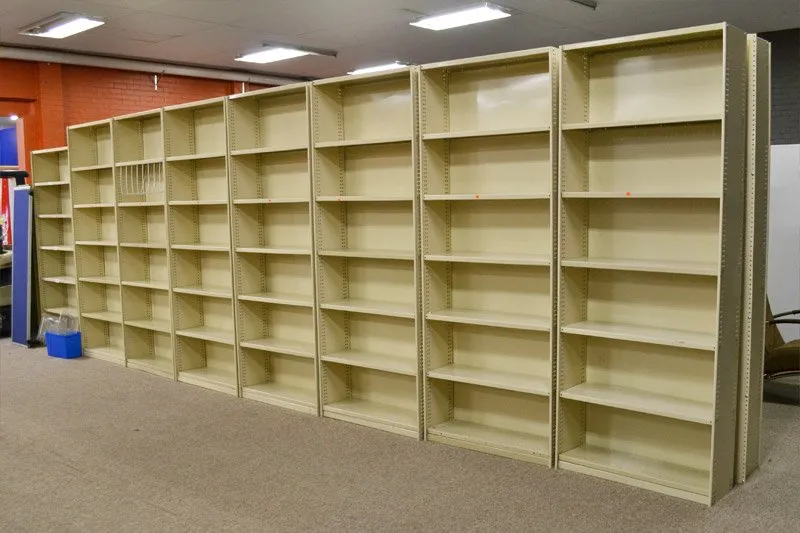
- Suitable cold store racking is necessary to incrase cold chain storage capacity. High density storage system in cold chain is widely used all over the world.
When you know what is cold chain, you can help stop waste and keep things good.
Key Takeaways
The cold chain helps keep food and medicine safe. It does this by keeping the right temperature from start to finish.
If the cold chain breaks, food can go bad. This makes food unsafe and medicines may not work well.
Smart tools and skilled workers help the cold chain work better. They help stop waste and keep products fresh and safe for people.
What is cold chain
Cold chain meaning
You might ask what cold chain means and why it is important. The cold chain is easy to understand. It is a supply chain that uses temperature control to keep perishable goods safe. This starts when the goods are made and ends when you get them. The cold chain helps move things like food, medicine, and flowers. These products need extra care. If the temperature changes, they can spoil or lose quality.
A cold chain is a special supply chain for perishable and temperature-sensitive goods.
It needs steady temperatures from when items are made until they are delivered.
The main parts are using refrigeration for storage and transport, keeping products stable, and following temperature rules.
A cold chain is a supply chain that uses refrigeration to keep perishable goods, like pharmaceuticals, produce, or other temperature-sensitive items, safe.
You can find cold chain systems in many places. Grocery stores use them to keep fruits and vegetables fresh. Hospitals use them to store vaccines and medicines. The cold chain is all about keeping products safe by holding the right temperature.
Why temperature control matters
It is important to know why temperature control matters in the cold chain. When you learn about cold chain, you see that the right temperature stops bacteria from growing. This keeps products safe. If the temperature changes too much, food can spoil and medicine can lose its strength.
Look at this table to see how temperature changes can affect safety:
Critical Point | Temperature Impact (%) |
|---|---|
Storage in display cabinet | 7.3 |
Transport after shopping | 59.7 |
Domestic storage | 40.3 |
Most problems happen during transport and storage. That is why the cold chain uses special tools and careful planning.
Different products need different temperatures. Here is a table with some examples:
Category | Temperature Range (°C) | Temperature Range (°F) |
|---|---|---|
Banana | 12 to 14 | 54 to 57 |
Chill | 2 to 4 | 36 to 39 |
Frozen | -10 to -20 | 14 to -4 |
Deep-Frozen | -25 to -30 | -13 to -22 |
Bananas need warmer temperatures than frozen foods. Medicines and vaccines often need to stay between 2°C and 8°C (35°F to 46°F).
The blood cold chain is a system that stores and moves blood and blood products at the right temperature, from when they are collected to when they are given to a patient.
Using the cold chain helps protect health and stop waste. It keeps food fresh, medicine strong, and products safe for everyone. This is why temperature control is so important in the cold chain.
Cold chain logistics
Key components
You need different parts to make cold chain logistics work well. Each part helps keep temperature-sensitive products safe from going bad. Check this table to see the main parts and what they do:
Component | Description |
|---|---|
Transportation and storage | Equipment used to keep things cold. |
Skilled personnel | Trained people who manage the cold chain. |
Effective management | Plans to make sure things run safely and well. |
You use trucks with coolers and vans with insulation to move food. Workers check temperatures and handle items carefully. Good managers keep everything in order and on schedule.
How cold chain works
The cold chain begins where products are made. Workers cool food quickly so it does not spoil. Then, they store these items in cool warehouses. When it is time to ship, they load them into cold trucks or vans. Sensors and computers watch temperatures while moving. At centers, trained staff keep food cold as they unload and move it. Finally, stores or customers get the items, sometimes in small vehicles or special boxes.
Smart tools, like Bluetooth sensors and AI, help find problems early and keep food safe.
Industries using cold chain
Many industries use cold chain logistics. Here is a table with examples and what they need:
Industry | Specific Requirements |
|---|---|
Food and Beverage | Needs strict temperature control for safety and rules. |
Pharmaceuticals and Biologics | Needs exact temperature ranges for sensitive products. |
Nutraceuticals | Needs cold storage to keep products fresh longer. |
Cosmetics | Needs cool temperatures to stop spoilage. |
Industrial Chemicals | Must stay cool to avoid damage. |
Floral and Agricultural | Needs cold storage from farm to store for freshness. |
Specialty Goods | Fine wines and other high-end items need exact temperature control. |
You see cold chain systems in stores and hospitals. Everyone in the chain must work together. This teamwork and special equipment keep temperature-sensitive items safe and fresh for you.
Cold chain benefits
Product safety
Cold chain systems help keep your food and medicine safe. They store and move items that need certain temperatures. This stops food from going bad and keeps you healthy. When products stay cold, they do not change color or get bruised. Cold temperatures also stop germs from growing. Groups that make rules say food and medicine must stay cold. Cold chain systems help meet these rules. This lowers the chance of recalls or health problems. You get safer products because cold chain systems stop bad bacteria like Salmonella and E. coli.
Cold chain systems stop food from going bad and making you sick.
Keeping things cold stops color changes and germs.
Rules make sure food and medicine are safe.
Reducing waste
Cold chain systems help cut down on waste. About 13% of food made in the world is lost because cold chain systems are not good enough. That is 526 million tons every year. Food goes bad faster when it is warm. Keeping things cold helps food last longer. New cold chain tools, like smart sensors and better packaging, keep food fresh.
Technology/Practice | Benefit |
|---|---|
Smart sensors | Track temperature all the time |
Better packaging | Protects food from getting too warm |
Trained workers | Handle food right and fix problems fast |
Economic and social impact
Cold chain systems help the world economy grow. The cold chain market was worth $382.3 billion in 2025. It may reach $1.37 trillion by 2035. Cold chain systems help public health, especially in poorer countries. They help get vaccines to people safely and save lives. Building better cold chain systems helps people get fresh food all year. Companies use green packaging and energy-saving systems. This helps the planet and meets what people want.
You need the cold chain to keep food and medicine safe. This system makes sure things stay good and do not spoil. It helps stop waste and keeps people healthy.
Cold chain stops products from being lost and helps you stay well.
It helps the economy grow and makes life better for people.
Cold chain systems are important in your everyday life.
FAQ
What happens if you break the cold chain?
If you break the cold chain, food or medicine can spoil. You risk losing quality and safety. Always keep items at the right temperature.
How do you know if a product stayed in the cold chain?
You can check temperature logs or use smart sensors. Some packages have indicators that change color if the temperature goes too high.
Why do vaccines need the cold chain?
Vaccines need the cold chain to stay effective. If they get too warm or too cold, they may not work. You help protect health by keeping them cold.

 EN
 ES
 FR
 PT
 DE
 IT
 RU
 JA