



When you ask, “what is shelving,” you want a straightforward answer. Shelving refers to sets of shelves or the materials used to create shelves. You place items on them for storage or display. You can find shelving in many locations:
Homes
Businesses
Libraries
Retail stores
Warehouses
Hospitals
Schools
Hotels
Fire stations
Shelving is designed to hold lighter items, while racking is used for heavier items and larger storage needs.
Key Takeaways
Shelving helps you keep things neat in homes, offices, and stores. Shelving lets you show items and find them easily. Pick the right shelving for your items’ weight and size. This keeps things safe and makes work easier. Adjustable shelving lets you move shelves up or down. This helps you store many kinds of things. Shelving lets you use space better by stacking things up. This keeps floors clean and tidy. Choose metal shelves if you need strong shelves. Pick wood shelves if you want them to look nice. Use plastic shelves if you want to clean them easily.
What is shelving
Definition and Key Features
To learn what is shelving, start with the basics. Shelving means using shelves or materials to make places for storage or display. You see shelving in homes, offices, stores, and libraries. Shelves can hold books, decorations, supplies, or products.
Shelving comes in many shapes and sizes. Some shelves go on walls. Others stand on the floor. Some shelves stay in one spot. Others can move up or down. Some shelves look like they float. These have no visible supports. Industrial shelving uses strong materials. It can hold more weight.
The main features of shelving are:
Storage and Display: Shelving helps you keep things neat and easy to find.
Materials: Shelving can be wood, metal, plastic, or glass.
Design: Some shelves are simple. Others have special designs for style or strength.
Flexibility: Many shelves let you change their height or position.
If you ask what is shelving, remember it makes space for your things. It keeps items neat and easy to reach.
Shelving vs. Racking
You may wonder how shelving and racking are different. Both help you store things. Shelving holds lighter items like books or supplies. You use shelving in homes, offices, and stores. Racking is for heavier loads and bigger items. You see racking in warehouses and factories.
Here is a table to show when to use shelving or racking:
Storage Type | Preferred Scenarios |
|---|---|
Shelving | Homes, offices, libraries, stores, light storage, display of small items |
Light-Duty Racking | Retail backrooms, small workshops, document storage, home or small business inventory |
Heavy-Duty Racking | Industrial warehouses, automotive parts storage, cold storage, bulk storage, high-volume goods |
Pick shelving to organize and show lighter items. Pick racking for heavy boxes, equipment, or lots of goods. When you think about what is shelving, remember it helps with easy access and organization. Racking is for strength and holding more weight.
Tip: Always choose storage that fits your items’ weight and size. This keeps your space safe and tidy.
If you remember these points, you will know what is shelving and when to use it.
Types of Shelving
Fixed Shelving
Fixed shelving does not move after you put it in. You see it in closets, pantries, and garages. It is good for heavy things like books or tools. Fixed shelving gives strong support. It is sturdy and lasts a long time. Many people pick fixed shelving for a permanent fix.
Here is a table that shows how fixed shelving and floating shelves are different:
Type of Shelving | Advantages | Disadvantages |
|---|---|---|
Traditional Shelving | – Very sturdy and can be used in many ways | – Takes up floor space and can make rooms crowded. |
| – Good for heavy things | – Hard to put together and needs to find wall studs. |
|
| – Looks big and can make rooms less nice. |
Floating Shelves | – Looks nice and fits many room styles | – Can only hold light things; not for heavy stuff. |
| – Saves space and makes rooms look bigger | – Can bend if not put up right and may need fixing. |
| – Can be changed to fit what you want |
|
| – Easy to put up and needs few tools |
|
Adjustable Shelving
Adjustable shelving lets you change shelf height. You can move shelves up or down for different things. If you have tall tools or big sports gear, you can make space. This shelving helps you use all the space up and down. It keeps things neat. You can change shelves when you need to. Many people like adjustable shelving because it works as your needs grow.
Tip: Adjustable shelving is great if you want to change your setup a lot.
Floating Shelves
Floating shelves look modern and cool. You do not see supports, so they look like they float. These shelves save space on the floor. They make rooms look bigger. You can use floating shelves for photos, small plants, or decorations. They fit many room styles and are easy to put up. Floating shelves are best for light things. If you want a simple look, floating shelves are a good pick.
Industrial Shelving
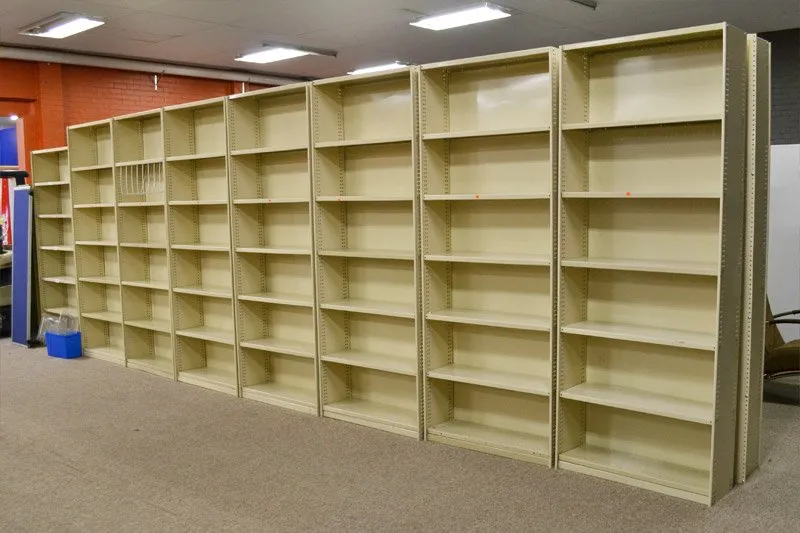
Industrial shelving is made from strong stuff like metal. You find it in warehouses, factories, and garages. Industrial shelving holds heavy things and helps you sort big spaces. Here is a table that shows where people use industrial shelving and why:
Industry | Purpose |
|---|---|
Warehousing | To use space well and see things easily |
Residential | To keep things neat in garages and storage |
Factories | To make it easy to reach and store things |
Industrial shelving is for big jobs that need strong shelves. You get shelves that last and hold a lot.
Shelving Uses
Home and Office
Shelving helps you keep your home and office tidy. You can put books, files, and supplies on shelves. In the kitchen, shelves hold dishes and food. In the living room, you show photos and decorations on shelves. Office shelving stores documents, stationery, and electronics. Fixed shelves work well for heavy things. Adjustable shelves let you change space for new items. Floating shelves look nice and save space. Shelving makes rooms neat and helps you find things fast.
Tip: Adjustable shelving lets you change your office as you need.
Retail and Stores
Shelving is important in retail stores. Products are shown on gondola shelving. Gondola shelving makes aisles and wall displays. Single-sided gondolas go against walls. Double-sided gondolas make rows for shoppers. Hooks and shelves fit into panels to show many products. Shelving systems let you change displays for new items. Rolling racks and countertop merchandisers help use space and move products. Store shelving is strong and lasts long. It gives stores a nice look for less money.
Common retail shelving features:
Flexible displays for changing inventory
Easy access for shoppers
Durable materials for daily use
Affordable options for every store
Libraries and Archives
Shelving in libraries keeps books and materials in order. Books go on shelves by call number. This makes it easy to find what you want. Staff use special shelving for different items. Big books go on folio shelves. Microforms have their own files. Visual materials get special call numbers and spots. Library shelving often moves or uses cantilever designs. You can change shelf heights and use space well. LED lights on shelves help you see and find books faster.
Type of Shelving Practice | Description |
|---|---|
Accession Number Shelving | Staff put books in order by number. |
Special Folio Call Numbers | Big books and serials get special shelves. |
Microform Holdings | Microforms have their own files for easy use. |
Visual Materials | Visual formats get special call numbers. |
Non-LC Call Numbers | Local files keep special call numbers neat. |
Shelving in libraries keeps things safe and easy to reach. Flexible designs protect books and help you get what you need.
Benefits of Shelving
Organization
Shelving helps you keep your space neat. You can sort items by type, size, or use. When you put things on shelves, you know where everything is. You do not waste time searching for lost items. Shelving lets you group similar things together. For example, you can keep books on one shelf and toys on another. You can use labels to mark each shelf. This makes it easy to find what you need.
Tip: Use color-coded bins or baskets on shelves to organize small items. This helps you stay tidy and saves time.
Here is a simple table to show how shelving helps you organize:
Item Type | Shelf Location | Benefit |
|---|---|---|
Books | Top shelf | Easy to reach |
Toys | Middle shelf | Safe for kids |
Supplies | Bottom shelf | Quick access |
Space Efficiency
Shelving lets you use your space better. You can stack items up instead of spreading them out. This frees up floor space. You can fit more things in a small area. Shelving works well in closets, garages, and offices. You can add shelves to empty walls. This gives you extra room without making the space crowded.
Shelving helps you:
Store more items in less space
Keep floors clear
Use vertical space
Note: Adjustable shelves let you change the height for different items. You can fit tall or short things easily.
Accessibility
Shelving makes items easy to reach. You can see everything at a glance. You do not need to dig through boxes or piles. You can grab what you need quickly. Shelving helps you keep important items at eye level. You can put heavy things on lower shelves for safety. You can use open shelves for things you use often.
Shelving gives you quick access to your favorite items. You save time and effort every day.
Shelving helps you stay organized, use space well, and reach items easily. You can make your home, office, or store work better with the right shelving.
Choosing Shelving
Material and Durability
You want shelves that last a long time and look nice. The material you pick makes shelves strong or weak. Metal shelves hold heavy things and need little care. Wood shelves look fancy and make displays pop. Wire shelves let air move and help you see items. Plastic shelves fight off chemicals and are easy to clean. Glass shelves use tough glass, much stronger than normal glass. Glass is good for fancy displays with light things.
Here is a table to help you compare materials:
Material | Durability Features | Best Use Cases |
|---|---|---|
Wood | Premium appeal, enhances product presentation | Customer-facing displays |
Metal | Supports up to 2,000 lbs, minimal maintenance | Heavy merchandise, industrial applications |
Wire | Superior ventilation, easy visibility | Stockrooms, food service |
Plastic | Chemical resistance, easy to clean | Healthcare, cold storage |
Glass | Tempered glass is 4x stronger than regular glass | Luxury displays for lightweight items |
Tip: Pick metal if you need strong shelves. Choose wood or glass for style. Use wire or plastic for special needs.
Size and Capacity
You need shelves that fit your space and hold your stuff. Measure your room before you buy shelves. Check the height, width, and depth. Think about what you want to put on the shelves. Heavy things need strong shelves. Light things can go on floating or glass shelves. Adjustable shelves let you change space for tall or short items. Always check the weight limit for each shelf. This keeps your things safe and your shelves strong.
Measure your space first
Match shelf size to your items
Check weight limits
Installation
You want shelves that are easy to put up and stay safe. Some shelves need tools and anchors. Others use brackets or clips. You may have problems when you install shelves. Uneven walls can make shelves tilt. You must make sure shelves do not wobble. Use a level to check your work. Attach shelves to studs or strong supports. Follow the instructions for each shelf type.
Common installation challenges include:
Dealing with uneven walls
Ensuring stability of the shelves
Note: Take your time when you install shelves. Good setup keeps your shelves safe and strong.
Shelving gives you a simple way to keep your space neat and easy to use. You can store heavy items safely, organize supplies, and reach what you need quickly. When you choose shelving, think about:
The size and weight of your items
How much floor space you have
How often you need to access your things
Grouping items, using bins, and making use of vertical space help you get the most from your shelves. Smart shelving choices make your home, office, or store work better every day.
FAQ
What is the best material for shelving?
You should choose metal for strength, wood for style, or plastic for easy cleaning. Each material works best for different needs. Metal holds heavy items. Wood looks nice in living rooms. Plastic resists moisture.
How do you install shelves safely?
You need to use a level and attach shelves to wall studs. Follow the instructions for your shelf type. Check that shelves do not wobble. Use anchors for extra support.
Can you adjust shelf height after installation?
Many shelving systems let you move shelves up or down. Adjustable shelves use brackets or slots. You can change the height to fit tall or short items.
What is the difference between floating shelves and fixed shelves?
Floating shelves have hidden supports and look modern. Fixed shelves use visible brackets or frames. Floating shelves hold light items. Fixed shelves support heavier things.
How do you organize items on shelves?
You can group items by type or size. Use bins or baskets for small things. Place heavy items on lower shelves. Label each shelf for easy finding.

 EN
 ES
 FR
 PT
 DE
 IT
 RU
 JA