



You might ask what is warehousing and distribution. Warehousing is keeping goods safe until you need them, while distribution is moving products from storage to customers. Both are essential for meeting customer needs and ensuring your business operates smoothly. The global warehousing and distribution market is expanding rapidly:
The market may grow from USD 14.23 billion in 2024 to USD 33.40 billion by 2035.
This growth indicates a compound annual growth rate (CAGR) of 8.07% from 2025 to 2035.
When you link what is warehousing and distribution, you enhance product movement. A well-thought-out plan can make your supply chain faster and more reliable. Here’s how they impact your business:
Evidence Type | Description |
|---|---|
Integration Importance | Effective integration between what is warehousing and distribution improves supply chains. It enables quicker responses to changes and enhances efficiency. |
Infrastructure Role | Warehousing systems require robust infrastructure and technology. This optimizes space utilization and ensures safety. |
Strategic Location | Choosing the right warehouse location influences supply chain speed and cost, helping to balance proximity to suppliers and customers. |
Inventory Management | Effective inventory management is crucial for a seamless supply chain. It ensures the right amount of stock is maintained to meet demand without excess. |
Distribution Mechanisms | Efficient distribution mechanisms and risk management are vital. They contribute to smooth business operations and customer satisfaction. |
Key Takeaways
Warehousing stores products safely until they are needed. Distribution sends products to customers. Both are important for a smooth supply chain.
Good inventory management stops having too much stock or delays. This helps make sure deliveries are on time and customers are happy.
Picking the best warehouse location can change how fast things are delivered. It can also lower costs and make things work better.
Connecting warehousing and distribution systems helps people see what is happening. It also helps them make better choices, save money, and give customers a better experience.
Using technology like automated warehouse racking system and real-time tracking makes work easier. It also cuts down mistakes and helps people get more done in warehousing and distribution.
What is warehousing and distribution
Warehousing definition
It is important to know what is warehousing and distribution to run a business well. Warehousing means you put goods in a safe place until you need them. A warehouse keeps products safe and neat. You get stock, store it, check inventory, handle orders, and pack items to ship. These steps help you control your supply chain and keep things working.
Warehousing and distribution work together, but warehousing is about keeping inventory in one place. You make sure products are safe and easy to get. Warehousing helps you keep enough stock and protects your goods from harm. You use a warehouse for long-term storage, so you always have products ready for orders.
Tip: If you set up your warehouse well, you can find things faster and make fewer mistakes.
Distribution meaning
Distribution comes after warehousing. You move products from the warehouse to customers or other businesses. Distribution logistics means you handle moving goods from where they are made to the people who need them. You plan and organize shipments to make sure products get there on time.
You use new technology to make distribution better. Good logistics management helps you deliver products fast. Saving money is important, so you try to spend less while meeting customer needs. Distribution connects stored goods to the world, so you focus on delivery and making customers happy.
You use technology to watch shipments.
You plan routes to deliver things faster.
You control costs to keep your business earning money.
Key differences
You may wonder how warehousing and distribution are different. When you learn what is warehousing and distribution, you see each has its own job in the supply chain.
Aspect | Warehousing | Distribution |
|---|---|---|
Main Focus | Storing inventory | Moving goods to customers |
Facility Type | Dedicated warehouse | Distribution center or transport network |
Time Frame | Long-term storage | Short-term movement |
Role in Supply Chain | Keeps products safe and available | Delivers products to end users |
Key Activities | Receiving, storing, tracking, packaging | Planning, coordinating, shipping |
You use warehousing to keep products until you need them. You use distribution to send products to customers quickly. Warehousing and distribution help each other, but they have different jobs. Warehousing keeps your stock safe and steady. Distribution makes sure your products get to customers fast.
When you put together what is warehousing and distribution, you build a strong supply chain. You keep products ready and send them out on time. This helps your business grow and keeps your customers pleased.
Warehouse distribution operations
Storage and handling
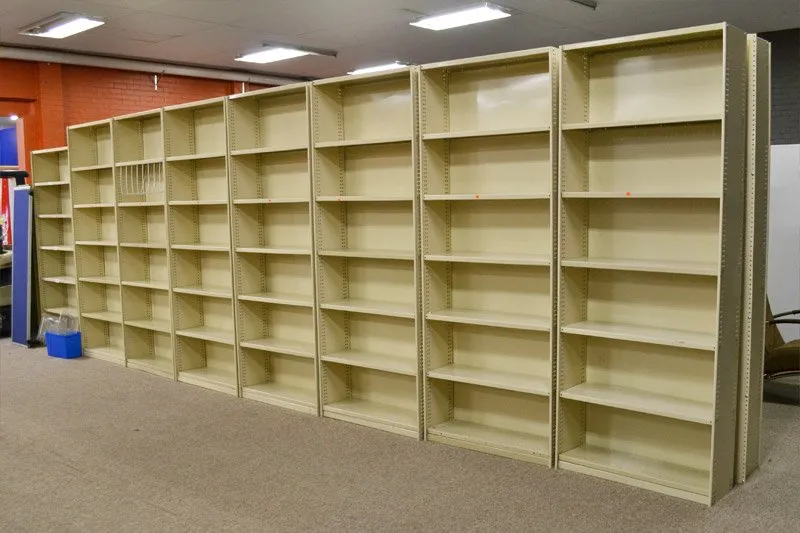
You help a lot in warehouse distribution when you store and move goods. You use different ways to keep products safe and easy to get. Floor storage means putting goods right on the ground. This saves money, but workers walk more. Pallet rack storage is used most in warehouses. You put products on racks to save space and keep things safe. High-density pallet racks let you fit more goods in less space. Special racks, like cantilever racks, hold long or big items.
Floor storage
Pallet rack storage
High-density pallet rack storage
Specialized storage for unique products
Safety and working fast are important in warehouses. You set up materials to stop accidents and help work go well. You keep paths clear and use bright lights to stop injuries. You mark dangers so workers know to be careful. You pick the best storage to make things easy to reach and stop falls.
Safety Practice | Impact on Efficiency |
|---|---|
Proper organization of materials | Makes accidents less likely and keeps people safe. |
Clear evacuation routes | Helps in emergencies and lets people get to safety fast. |
Adequate lighting | Makes it easier to see and stops trips and falls. |
Clearly marked hazards | Warns workers about dangers and lowers accidents. |
Correct storage solutions | Makes getting things easy and stops falls, helping work go faster. |
A neat warehouse helps you find things fast and keeps work smooth. You spend less time looking for goods and can act fast in emergencies.
Inventory management
You need good inventory management to keep warehouse distribution working well. You use warehouse management systems to watch inventory and control stock. Many warehouses use ERP-integrated systems like SAP ERP Warehouse Management or Manhattan SCALE. Cloud-based systems like Oracle Fusion Cloud WMS and Zoho Inventory let you manage inventory from anywhere. These systems help with warehouse management and make work easier.
Type of WMS | Examples |
|---|---|
ERP-Integrated WMS | 3PL warehouse manager, SAP ERP Warehouse Management, Manhattan SCALE, FishBowl, Blue Yonder Luminate Logistics |
Cloud-based WMS | Oracle Fusion Cloud WMS, Zoho Inventory, SAP ERP WMS, SkuVault, logi-Cloud SaaS WMS, IBM Sterling WMS, Microsoft Dynamics 365 |
Other Widely Used WMS | Oracle Fusion Cloud WMS, Manhattan Associates, Zoho Inventory, SAP WMS, SkuVault, Fishbowl, Microsoft Dynamics 365, 3PL Central, Softeon |
Good inventory management stops you from having too much or too little stock. You save money and keep customers happy. Bad inventory management makes shipments late and wait times longer. You must keep inventory right to help warehouse distribution and make the supply chain better.
Good inventory management saves money.
You stop shipment delays and long wait times.
You keep warehouse distribution working well.
Organizing products
You organize products in warehouse distribution to fill orders faster. You sort inventory by how fast it sells, its value, or its size. You check stock levels and watch what people want. You keep only what you need to save space and make work easier. You put similar items together to make picking and restocking simple. You look at your floor plan to find slow spots and fix them. You use tall shelves to store more. You set up shelves by how often you need things. You make special areas for receiving to stop slowdowns.
Sort inventory by sales, value, or size.
Check stock levels and watch demand.
Keep only what you need.
Put similar items together.
Look at the floor plan for slow spots.
Check space for safety and speed.
Change layout when needed.
Use tall shelves.
Set up shelves by how often you need things.
Make special areas for receiving.
A good warehouse layout helps you find things fast. You walk and search less, so you fill orders quicker. You make fewer mistakes and keep warehouse distribution working well. When you organize products right, you make customers happy and keep things running smoothly.
Tactic | Impact on Order Fulfillment Speed |
|---|---|
Reduce Walking Time | Makes order filling faster by cutting down walking. |
Reduce Searching Time | Makes picking easier and speeds up order filling. |
Reduce Bending and Reaching | Makes picking faster and helps workers do more by stopping strain. |
Tip: Put popular items close to shipping to make warehouse distribution faster and more dependable.
Distribution strategies
Shipment process
You help a lot with shipping in warehouse distribution. First, you pack items in the warehouse. You check the weight and size of each box. You pick the best carrier for each shipment. You print out shipping labels and stick them on. You add all the needed shipping papers. You move the boxes to the shipping area for pickup. This order process helps get goods to customers fast.
Step | Description |
|---|---|
Pack | Make sure every item is packed right, using special care if needed. |
Weigh & Dimension | Check the box’s weight and size with the right tools. |
Rate Shop/Choose Carrier | Look at the order, see what is needed, and pick the best carrier. |
Print Shipping Labels | Print and put shipping labels on after picking the carrier. |
Print Shipping Documents | Add the right shipping papers, which can change by where it goes. |
Ship | Move the box to the shipping area so the right carrier can pick it up. |
Warehouse distribution plans are different for each industry. Shipping equipment for factories or building sites must be quick and safe. You find the best routes and ways to keep things moving. Small package shipping changes with the market. You might use many warehouses to deliver faster and save money. You also use different carriers to lower risks and get better prices.
Delivery to customers
You use different ways to get products to customers. Each way works for a different business. Intensive distribution puts products in many stores so people can find them easily. Selective distribution uses only some stores to keep control of the brand. Exclusive distribution lets just one seller offer the product in an area.
Distribution Strategy | Description |
|---|---|
Intensive Distribution | Tries to put products in lots of stores so people can buy them easily. |
Selective Distribution | Sells goods in certain stores that meet rules, so the brand stays strong. |
Exclusive Distribution | Gives one seller the only right to sell in a certain place. |
You reach more people and fill orders better by picking the right way. You also save money with good shipping and warehouse plans. Good distribution makes sure products are always there, so customers stay happy.
Last-mile delivery is very important. You plan this step to make sure things arrive on time and are correct. Real-time tracking lets customers know where their order is. Fast and right deliveries help you keep customers and make them want to buy again.
Distribution centers
Distribution centers are very important for warehouse distribution. You use them to watch inventory, fill orders faster, and spend less. These centers help you keep track of stock and not run out or have too much. You use picking and machines to fill orders quickly. You put centers near highways, ports, or trains to make delivery faster and cheaper.
You keep inventory in one place for better control.
You use machines to fill orders faster.
You pick places close to customers to save on shipping.
You use more than one center to fill orders fast and avoid high shipping costs.
You work with other companies to pick the best places and routes for shipping.
Warehouse distribution works best when you use distribution centers smartly. You fill orders faster, spend less, and keep customers happy with good distribution.
Technology and best practices in warehousing and distribution
Technology in warehousing
Technology is changing warehouses every day. Automation uses machines to move goods with little help. These machines make warehouse distribution faster and safer. IoT and sensors show you inventory and warehouse conditions right away. You can track items and find problems early. Warehouse management systems help you control warehouse work and give quick feedback. Artificial intelligence helps you make smart choices about inventory and trucks. Cloud computing lets you see warehouse data from anywhere. It helps your business grow and manage more warehouses. Predictive maintenance tools watch equipment and stop expensive breakdowns.
Technology | Description |
|---|---|
Automation | Uses AGVs and robots to move goods, boosting speed and efficiency. |
IoT and Sensors | Tracks inventory and warehouse conditions in real time. |
Warehouse Management Systems | Controls warehouse operations and gives instant feedback. |
Artificial Intelligence | Improves decision-making in warehouse distribution and logistics. |
Robotic Trucks | Handles materials safely and quickly in the warehouse. |
Cloud Computing | Offers flexible storage and remote access for warehouse management. |
Predictive Maintenance | Monitors equipment to reduce downtime and costs. |
Using automation in warehouse distribution helps you work faster and make fewer mistakes.
Technology in distribution
Technology makes distribution more accurate and quick. Digital tools automate many steps in logistics. AI and machine learning help you guess demand and manage inventory early. IoT devices let you track shipments and keep your supply chain smart. Blockchain gives safe and clear records for every step. Real-time tracking systems let you update customers and improve delivery accuracy.
Customer Impact Area | Benefit |
|---|---|
Order Updates | Sends automatic notifications at each step of distribution. |
Delivery Accuracy | Gives better delivery estimates using real-time data. |
Support Requests | Reduces questions about order status. |
Customer Trust | Builds trust with proactive communication. |
Best practices
You can make warehouse distribution better by following good habits. Always use a strong warehouse management system to automate tasks and lower mistakes. Put your warehouse near transport hubs to save money and deliver faster. Use smart storage to keep inventory neat and easy to reach. Track inventory in real time to avoid too much or too little stock. Check the quality of goods before they leave the warehouse. Make order processing simple so you pick, pack, and ship with fewer mistakes. Count inventory often to keep numbers right. Share updates with your team using live dashboards. Set and watch key performance indicators to keep warehouse distribution on track.
Train your staff well and put them first.
Make your warehouse layout better for easier work.
Use advanced shipping notices to speed up dock work.
Connect warehouse management and transportation systems for smooth logistics.
Best Practice | Impact on Supply Chain Performance |
|---|---|
Improved inventory management | Boosts accuracy and lowers costs |
Timely deliveries | Meets customer needs and increases satisfaction |
Automatic data collection | Reduces errors and speeds up decisions |
Warehouse automation technologies | Raises throughput and labor productivity |
Cross docking and synchronized loading | Cuts handling and shortens cycle times |
KPI tracking | Connects daily work to customer goals |
Tip: When you follow these best practices, you make your warehousing and distribution more reliable and efficient.
Integrating warehousing and distribution in the supply chain
Integration benefits
When you connect warehousing and distribution, your business gets stronger. You link warehouse distribution with logistics to help the supply chain work better. Using one system to track inventory and shipments gives you better results. This lets you make quick choices and keeps customers happy.
Here is a table that lists the main benefits:
Benefit | Description |
|---|---|
Cost Efficiency | Integrated systems lower logistics costs by sharing information and making decisions faster. |
Enhanced Visibility | Companies track inventory and shipments in one place, so they decide faster using data. |
Improved Customer Satisfaction | Integration makes deliveries more reliable and helps customers trust your service. |
You also fill orders better. When you join warehouse and distribution, work goes smoother and there are fewer mistakes. You can see inventory right away and save money by moving goods faster.
Benefit | Explanation |
|---|---|
Streamlined Operations | Integration makes work simple, so orders get filled faster and inventory is easy to check. |
Reduced Errors | Fewer mistakes happen when storage, packing, and shipping are all connected. |
Real-time Inventory Visibility | Businesses see stock levels right away, so they do not run out. |
Cost Savings | Putting storage and shipping together cuts time and costs, so deliveries are better. |
Improved Customer Experience | Fast deliveries and fewer mistakes make customers happier. |
McKinsey says companies with good distribution management can make up to 15% more profit. This helps them meet more orders without slowing down or lowering quality.
Practical tips
You can make warehouse distribution better by following easy steps. Use technology to link your warehouse and distribution. Teach your team how to use these tools. Put your warehouse near transport hubs to save time and money. Use real-time software to track inventory and shipments. Check your warehouse layout often to keep things smooth. Pick logistics partners who can grow with your business.
Use one system for inventory and shipping.
Teach staff to use new technology.
Choose warehouse spots close to customers.
Look at your warehouse layout for slow areas.
Work with logistics partners who help you grow.
Choosing solutions
When you pick warehouse distribution solutions, think about what your business needs. Count how many products you store and ship. Some products need special places in the warehouse. Think about busy times and how they change costs. Choose warehouse locations that help your supply chain. Make sure your warehouse can grow with your business.
Here are the main things to think about:
Number of SKUs: Know what kind of storage and space you need.
Types of Products: See if some products need special storage.
Seasonality: Watch for busy times and changing costs.
Location: Learn how location changes supply chain speed.
Scalability & Network Flexibility: Make sure the warehouse can grow without big changes.
Scalability in logistics means your warehouse distribution can get bigger or smaller as needed. This helps you stay ahead and meet customer needs. Good distribution plans cut shipping times and costs. They help you move inventory faster and fill orders right. You build a strong business by picking flexible warehouse and distribution solutions.
Now you know how warehousing and distribution help each other. Warehousing keeps products safe until they are needed. Distribution takes these products to customers. Both are important parts of your supply chain. Your business does better when you use strong distribution plans. You should use technology and good habits to make distribution quicker and more dependable.
Try to learn more about distribution solutions that work for your business.
Check your distribution process often.
Talk to experts to get tips on making distribution better.
FAQ
What is the main purpose of a warehouse?
A warehouse is used to keep products safe until needed. It helps you keep inventory neat and ready to ship. This makes your supply chain run smoother.
How does distribution improve customer satisfaction?
Distribution means getting products to customers fast and correctly. You plan how to send things and use technology to watch deliveries. When you deliver quickly and on time, customers are happier.
What technology helps in warehousing and distribution?
You use warehouse management systems, automation, and real-time tracking. These tools help you watch inventory, fill orders faster, and make fewer mistakes.
Why should you organize products in a warehouse?
When you organize products, you find things faster and fill orders quickly. This saves time and cuts down on mistakes. A smart layout also keeps your warehouse safer and easier to work in.
How do you choose the right distribution strategy?
You think about what you sell, what customers want, and where they live. You pick intensive, selective, or exclusive distribution to fit your business. The best plan helps you reach more people.

 EN
 ES
 FR
 PT
 DE
 IT
 RU
 JA