



Warehousing is keeping your goods safe until you need them, while fulfillment involves picking, packing, and sending items to customers. Understanding what is warehousing and fulfillment is essential, as it helps your business operate efficiently and keeps your customers satisfied.
The world’s warehousing market was $1.01 trillion in 2023.
It might reach $1.73 trillion by 2030, with over 21 billion square feet of space available.
Knowing about warehousing and fulfillment enables you to choose the best logistics partner for your needs.
Key Takeaways
Warehousing stores products safely until they are needed. This helps businesses meet customer needs quickly.
Fulfillment centers manage the whole order process. They pick items and ship them out. This makes customers happier.
Technology helps warehousing and fulfillment work better. It makes things more accurate and faster. It also saves money.
Picking the best logistics partner helps your business grow. It lets you change when customers want new things.
Knowing how warehousing and fulfillment are different helps businesses do better with their supply chain.
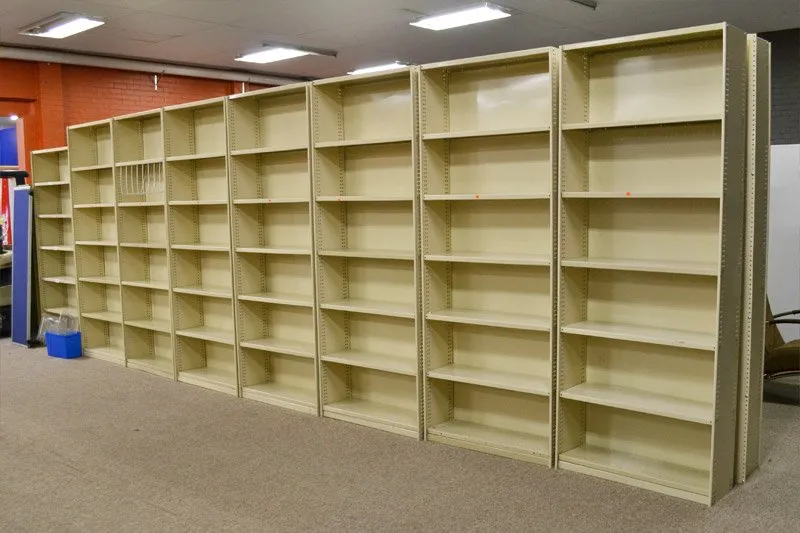
- Automated racking system maximize wahousing and fulfillment efficiency.
What is Warehousing and Fulfillment
Warehousing Defined
When you learn about warehousing and fulfillment, you start with the basics. Warehousing means you keep your products in a safe place until you need them. A warehouse is like a big room where you store things before they move to the next step. It has shelves, bins, and sometimes robots that help move stuff.
Warehousing helps you always have products ready for customers. You use a warehouse to keep track of inventory and get ready for busy times. Many businesses use technology in their warehouse, like robots, special vehicles, and RFID systems. These tools help you know where every item is and make work faster. RFID tags show you where each product is right now, so you do not lose items or run out.
You also think about the environment when you run a warehouse. Using LED lights, better heating and cooling, and solar panels can save energy and money. These changes help the planet and make your brand look good.
A warehouse must follow strict rules, especially for shipping to other countries. You need to keep good records, use cameras, and limit who can enter. You cannot store banned items. If you break these rules, you might get fined or lose your business.
Planning for busy seasons is important in warehousing. During busy times, you may need more space or extra workers. Smart storage and good organization help you fit more products without needing a bigger building. This keeps you ready for customer needs all year.
Fulfillment Defined
Now let’s talk about the other part of warehousing and fulfillment. Fulfillment starts when someone orders and ends when they get their package. A fulfillment center does every step, from picking items to packing and shipping. It is different from a regular warehouse because it focuses on sending orders fast and correctly.
Here is what happens in fulfillment:
You get and store products at the center.
You process orders when customers buy something.
Workers pick the right items from shelves.
They pack items so they do not break.
The center ships packages to customers.
If customers return things, the center handles returns.
A fulfillment center connects your products to your customers. It makes sure the right item gets to the right place, in good shape, and on time. This is very important for customer happiness, especially online. Using a fulfillment center helps your business grow during busy times without mistakes.
Here are some main jobs of a fulfillment center:
Function | Description |
|---|---|
Fast order processing | Handles lots of orders quickly, so customers get packages faster. |
Cost efficiency | Keeps inventory in one place, which saves money and helps shipping. |
Customer satisfaction | Sends orders correctly and on time, making customers happy and wanting to buy again. |
Scalability | Can handle more orders during busy times without problems. |
Operational focus | Lets you grow your business while experts take care of shipping. |
Fulfillment has changed a lot lately. It used to be just a warehouse job, but now it is a big part of your business plan. You can do fulfillment yourself, use a special center, or hire another company. Many businesses pick a fulfillment center to help them compete online.
Customers want fast shipping, tracking, and easy returns. A good fulfillment center uses technology to give these things, helping you beat other companies. You also need to think about the environment. Using machines and cutting waste in your center saves money and helps your brand.
When you know about warehousing and fulfillment, you can make smarter choices for your business. You see how a warehouse stores products and a fulfillment center sends them to customers. Both are needed for a smooth supply chain and happy customers.
Warehousing Functions
Storage and Inventory
Warehousing helps you keep products safe and neat. You get space to store goods until you need them. You can sort items by type or size. You can also sort by how fast they sell. This makes it easy to find things fast. A warehouse management system tracks every item for you. You know where each product is at all times. You know which shelf it sits on. You know how many are left. This system helps you make fewer mistakes. It also saves you time.
Warehousing helps you get ready for busy times. You can build up inventory before holidays or sales. A good warehousing solution stops you from running out of stock. You keep customers happy because products are always ready to ship.
Long-Term Holding
Sometimes, you need to store products for a long time. Warehousing lets you hold items until you need them. But keeping goods too long costs money. Every item in storage adds to your bills. You pay for rent and utilities. You pay for insurance and labor too. If you do not move products fast, costs go up. Studies show holding costs can reach 20% to 30% each year. For example, if you have $5 million in goods, you might spend $1-1.5 million just to store them.
Low inventory turnover can cause problems. You may see crowded aisles and wasted space. If you improve turnover by 10-15%, you use more space. A warehouse management system helps you track turnover. It helps you plan better. You use space wisely and lower costs.
Tip: Check your inventory often. Move slow-selling items out. This saves money and frees up space.
Warehousing Benefits
Warehousing gives you many good things. You get a safe place to store goods. Clean warehouses protect products from damage. Small or medium businesses can use government warehousing. These options help you save money. They lower your overhead costs and keep goods safe.
You also get help from local service networks. These networks move products faster. They help you reach customers quickly. A strong warehousing solution supports your logistics. It keeps your supply chain running well. A warehouse management system helps you make fewer mistakes. It helps you work better.
You save money with affordable warehousing.
You keep products safe in clean places.
You deliver orders faster with good logistics.
Warehousing helps your business grow. You stay organized, save money, and keep customers happy.
Fulfillment Functions
Order Processing
Order fulfillment starts when a customer buys something. The fulfillment center gets the order and checks it. Accuracy is very important in this step. Most fulfillment warehouses are accurate 95% to 98% of the time. If you make orders 3% more accurate, profits can go up by 1%. This step is important for the rest of the process.
Picking and Packing
After checking the order, workers or machines pick items from shelves. Barcodes and machines help workers pick faster and make fewer mistakes. A good pick and pack process saves time and money. It also makes customers happier. If you use old ways or put products in bad spots, work slows down. You want your warehouse to work well as online shopping grows.
New systems help you process orders fast.
Good picking and packing means fewer mistakes and happy customers.
Fast Shipping
Shipping is the last step in fulfillment. Fast shipping keeps customers happy. Top fulfillment services make inventory ready in 7 hours after getting it. Special orders can take up to 34 hours. Most orders ship on time 99.89% of the time. The best centers reach 97% of US customers with two-day shipping or less.
Shipping Metric | Value |
|---|---|
Inventory available after receipt | 7 hours |
Special order fulfillment time | 34 hours |
On-time order fulfillment | 99.89% |
US customers with 2-day shipping or less | 97% |
Fulfillment Benefits
Fulfillment services give you many good things. If you use a fulfillment warehouse, you can grow fast, ship quicker, and use new technology. You also work better, reach more places, and make customers happier. Fulfillment centers help you track inventory, ship fast, and sell in other countries. You save money because you do not need your own warehouse or delivery trucks. You can focus on your business while experts handle shipping.
Tip: Pick a fulfillment partner with many warehouses for faster shipping and better coverage.
Benefit | Description |
|---|---|
Rapid Scalability | You can handle more orders when business gets busy. |
Faster Delivery Times | Warehouses close to customers mean quicker shipping. |
Advanced Technology | You get tracking and better inventory control. |
Global Reach | Fulfillment services help you ship to other countries easily. |
Enhanced Experience | Fast processing and easy returns make customers want to buy again. |
Warehousing vs. Fulfillment
Key Differences
It is important to know how warehousing and fulfillment are different. Warehousing means storing products for a long time. Fulfillment is about getting orders ready and sending them out. Warehousing keeps goods safe and neat. Fulfillment picks, packs, and ships items fast.
Here is a table that shows how warehousing and fulfillment centers are not the same:
Aspect | Warehousing | Fulfillment Centers |
|---|---|---|
Primary Function | Long-term storage | Order fulfillment |
Primary Goal | Secure storage for products | Process orders quickly and efficiently |
Clientele | Primarily B2B businesses | B2B or B2C businesses |
Location | Rural areas for space optimization | Near major population centers for delivery |
Value-added Services | Limited (labeling, barcoding) | Extensive (cross-docking, kitting, etc.) |
Inventory Turnover | Low turnover | High turnover |
Pickup Frequency | Infrequent (weekly/monthly) | Frequent (multiple times per day) |
Customer Focus | Minimal involvement | Major focus on customer satisfaction |
Warehousing is mostly for storage. Fulfillment centers focus on fast order shipping. Fulfillment centers use robots and machines to help work faster. These tools help send out many packages every hour. Warehouses use more people to do the work. Robots in fulfillment centers make shipping quicker and help avoid mistakes.
Note: Robots in fulfillment centers work all the time. This helps ship orders faster and makes work easier.
How They Work Together
Warehousing and fulfillment work together in your supply chain. You keep products in a warehouse until you need them. When someone orders, the fulfillment center packs and ships the item. This teamwork helps you keep the right amount of stock. You do not run out or have too much.
You get better tracking and data for your business. Stock gets refilled on time so things run smoothly. Omnichannel fulfillment lets you sell in stores and online. For example, Amazon stores goods in warehouses and ships orders from fulfillment centers. Cross-docking moves products quickly from suppliers to customers, so they do not stay in storage long.
When you use both warehousing and fulfillment, orders ship faster and cost less. You can grow your business while experts take care of storage and shipping.
Practical Applications
E-commerce Scenarios
You have an online store. You want customers to get orders fast. Ecommerce fulfillment helps you with orders. It helps you pick products and pack boxes. It helps you ship items quickly. Fulfillment centers handle many orders every day. These centers use technology to track inventory. They make sure each package goes to the right address. You can offer two-day shipping to most customers. Fulfillment services help you during busy seasons. You do not need to hire extra staff. You focus on selling. Experts handle the rest. Fast fulfillment keeps customers happy. It helps your business grow.
Tip: Pick fulfillment centers with good tracking software. This gives customers real-time updates about their orders.
Retail and Wholesale
Retail and wholesale fulfillment are different. Retail fulfillment is for small, single orders. You need accuracy and speed for happy customers. Inventory management is important for retail. You want products ready and orders shipped on time. Wholesale fulfillment is for big orders. Stores or large buyers need bulk shipments. You need special ways to receive, store, and ship large amounts. Wholesale operations handle bigger sales and have different needs.
Retail fulfillment matters for online and physical stores.
Wholesale fulfillment helps you serve retailers or big buyers.
Retail needs good inventory management.
Wholesale needs bulk order handling and special shipping.
You pick the best fulfillment plan for your business. Retailers need fast and accurate fulfillment. Wholesalers need systems for bulk shipments and big inventory turnover.
Choosing Solutions
You choose between warehousing and fulfillment by your needs. You check how many products you have. You look at what types of items you sell. You see if you need special storage. You think about busy seasons and location. Technology is important too. You want software that tracks inventory and helps with orders.
Criteria | Description |
|---|---|
Number of SKUs | More SKUs means higher storage fees. Check your inventory turnover rates. |
Types of Products | Some products need special handling or storage. Choose a solution that fits your items. |
Seasonality | Seasonal demand affects storage needs. Pick public warehouses for short-term, contract for long-term. |
Location | Warehouses near transport hubs help with fast delivery. |
Technology and Software | Good software makes fulfillment and inventory tracking easier. |
You also think about costs. In-house warehouses cost a lot at first. You pay for rent, equipment, and staff. Outsourced fulfillment costs less. It gives you better technology and more flexibility. You save time and focus on growing your business. Outsourced fulfillment helps you scale up fast. It helps you handle busy times.
Feature | In-House Warehouse | Outsourced Warehouse |
|---|---|---|
Upfront Costs | High | Low |
Scalability | Limited | High |
Technology Access | Needs investment | Advanced systems included |
Time Management | Takes a lot of time | Lets you focus on growth |
Flexibility | Long-term contracts | Short-term agreements |
Note: Pick fulfillment solutions that fit your business size, product type, and growth plans.
You now know warehousing keeps products safe. Fulfillment sends items to customers. Picking the best service helps your business grow. It also keeps customers happy. When you choose a partner, look for these things:
Orders get processed and delivered quickly
Good technology helps track and check orders
The partner knows your industry’s problems
Solutions can change when demand goes up or down
You should also look for problems in your supply chain:
Demand changes and is hard to predict
Transportation costs keep getting higher
You cannot always see what suppliers are doing
Smart choices in warehousing and fulfillment help your business stay strong. They also help you get ready to grow.
FAQ
What is the main difference between warehousing and fulfillment?
Warehousing keeps your products for a long time. Fulfillment gets orders ready and sends them out. You use warehousing to store things. You use fulfillment to deliver quickly.
Do small businesses need both warehousing and fulfillment?
You might need both if you sell online or in stores. Warehousing keeps your goods safe. Fulfillment helps ship orders fast. Many small businesses hire other companies for these jobs.
How does technology help in warehousing and fulfillment?
Technology helps track inventory and orders. Software shows where products are. Robots and scanners help workers pick and pack faster. This means fewer mistakes and saves time.
Can you use one company for both warehousing and fulfillment?
Yes, some companies do both jobs. You keep your products in their warehouse. When you get an order, they pick, pack, and ship it. This makes your supply chain easier.
What is a fulfillment center?
A fulfillment center is a place where workers pack and ship orders. You send your products there. They handle storage and delivery. This lets you focus on your business.

 EN
 ES
 FR
 PT
 DE
 IT
 RU
 JA