



You see warehousing when products go from factories to stores near you. Warehousing, which answers the question of what is warehousing, involves keeping goods safe until they are shipped or sold. Big logistics companies emphasize that warehousing is very important in supply chains. Warehousing helps keep products safe and neat. In 2024, the world’s warehousing market was worth more than $1 trillion and is still getting bigger. Warehousing evolves with new ideas like automation and caring for the environment, making it very important for businesses everywhere. If you wonder what warehousing is, you learn it helps goods get to you.
Warehousing helps trade and businesses grow around the world.
Warehousing changes with new technology and what people want.
Key Takeaways
Warehousing helps keep goods safe and neat until needed.
There are different warehouses, like public and private. They give special benefits to businesses.
Good inventory management stops shortages and too much stock. This helps things run smoothly.
Using technology and teaching staff makes work faster and cuts mistakes in warehousing.
Picking the best warehouse spot and setup can make moving goods easier and save money.
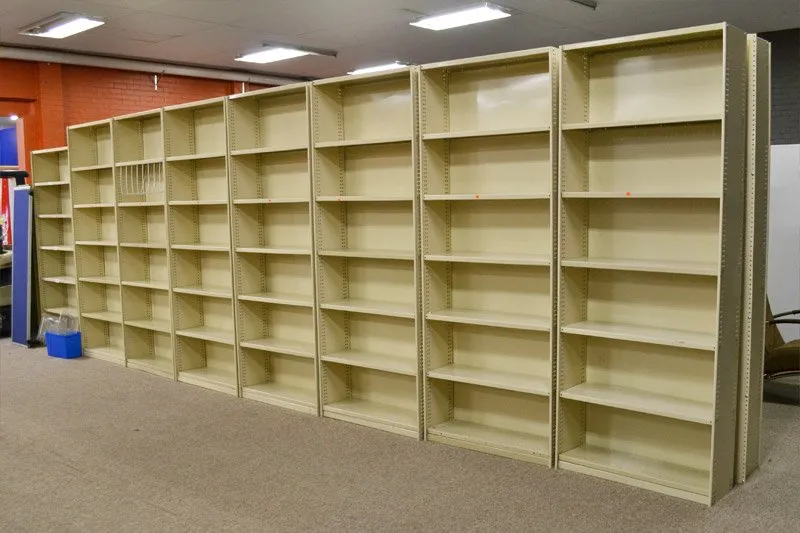
Suitable warehouse racking shelving system increase warehousing efficiency.
What is warehousing
Definition of warehousing
Warehousing is more than just a building with shelves. It is a special place where goods stay safe and organized until needed. Workers get products, check them, and put them in the right spot. They keep track of inventory so they know what is there. When someone buys something, workers pick and pack the order. Forklifts and conveyor belts help move items around. Security systems protect everything inside. Technology like barcode scanners and warehouse management software make jobs easier. Trucks need good access to load and unload shipments fast.
Here are the main parts of warehousing:
Space for storing inventory
Receiving and checking goods
Managing and tracking inventory
Processing and packing orders
Security for goods
Equipment for moving items
Technology for tracking and control
Easy access for transportation
Role in supply chain
Warehousing is a key part of supply chain management. It helps move products from factories to stores or customers. Warehousing makes sure goods are ready when people want them. Inventory stays in the right place for fast shipping. Advanced technology helps work faster and saves money. Warehouses are placed in good locations for quick delivery.
Warehousing helps you control inventory, use technology for better work, and pick good spots for fast delivery.
Warehousing connects with other supply chain parts. Linking warehouses with transportation and inventory systems brings many benefits:
Integration Aspect | Benefit |
|---|---|
Faster Order Fulfillment | Orders ship quickly with help from transportation teams |
Reduced Operational Costs | Money is saved by keeping the right amount of inventory |
Improved Customer Satisfaction | Customers get what they need with fewer delays |
Warehouses near distribution centers help lower transportation costs. Warehouse management systems work with transportation software for smooth operations. Inventory software connects to avoid having too much or too little stock.
Why warehousing matters
Warehousing is important because it helps businesses grow. Goods stay safe and organized in one place. Orders are processed and shipped quickly. Inventory is managed so there is never too much or too little. Security keeps products safe from theft and damage. Real-time tracking shows what is in stock at any moment. Storage space can change as the business grows. Storing goods in bulk and shipping together saves money.
Warehousing also makes customers happy. Orders are filled faster, so people get what they want quickly. Automated systems help make fewer mistakes. Products stay in good condition. Customers get updates with real-time tracking. Trust is built by always having the right products in stock.
Storage is centralized for better inventory control.
Shipping costs go down by storing more goods together.
Security is better with cameras and access controls.
Small businesses can share warehouse space.
Strong racks keep goods safe.
Warehousing is the heart of supply chain management. It helps products move smoothly from start to finish. Businesses save money, work faster, and keep customers satisfied.
Types of warehouse
There are many types of warehouses in logistics today. Each type helps businesses store and move goods in different ways. Learning about warehouse types helps you pick the best one for your needs.
Public warehouse
A public warehouse lets you rent storage space as needed. Third-party companies own and run these warehouses. You can rent space for a short or long time. Many small businesses use public warehouses instead of buying their own. You can get extra services like packing and labeling. Inventory systems help you keep track of your goods. Security keeps your products safe from theft or damage. Public warehouses make shipping and receiving easier.
Storage that fits your changing needs
Good for growing businesses to save money
Extra help with packing and labeling
Private warehouse
A private warehouse is owned by one company. You control everything in your warehouse. You decide how to handle inventory and workers. Private warehouses cost more, but you get full control. These warehouses work best for big companies with steady products. You can design the warehouse to fit your business.
Aspect | Private Warehouse | Public Warehouse |
|---|---|---|
Ownership | Your company | Third-party |
Investment | High | Low |
Control | Full | Limited |
Flexibility | Low | High |
Bonded warehouse
A bonded warehouse stores goods from other countries until you pay customs. You use these warehouses for international trade. Customs and Border Protection gives licenses and checks bonded warehouses. You must follow strict rules and keep good records. Security and cleanliness are very important. You need to pass checks and keep your license current. Bonded warehouses let you wait to pay taxes until you sell or move your goods.
Tip: Use a bonded warehouse if you import goods and want to wait to pay customs.
Distribution center
A distribution center is a fast warehouse for quick shipping. E-commerce businesses use these warehouses to fill orders fast. You can grow your storage as your business gets bigger. Technology helps you ship products quickly and correctly. Distribution centers reach many customers. You save money on space, workers, and shipping.
Advantage | Description |
|---|---|
Scalability | Change size as your business grows |
Cost efficiency | Save money on space and shipping |
Speed and accuracy | Fill orders fast and correctly |
Reach | Ship to many customers quickly |
Knowing about warehouse types helps you choose the right one. Each type has special benefits for storage, safety, and shipping. You can make better choices for your supply chain.
Functions of warehousing
Storage and handling
Warehousing keeps goods safe and neat. Storage means putting items in the right place. This helps you find things fast. Handling is moving products carefully. Workers use forklifts and conveyor belts for this. Good warehouses can grow as your business grows. You can use bonded storage for customs rules. You can also put inventory together to save on shipping. Checking inventory often helps you keep good records. Watching where products are placed makes picking easier. Cross-docking moves goods quickly and cuts down storage time.
Tip: Connect warehouse systems for better tracking and smoother work.
Inventory management
Inventory management helps you know what you have and where it is. Warehouse management systems track inventory right away. This makes it easier to control stock. It also stops you from having too much or too little. The Just-in-Time system gets goods only when needed. This saves space and cuts down waste. ABC analysis sorts inventory by importance. This helps cash flow and lowers extra stock. Upgrading your warehouse system gives better data and smoother work.
Strategy | Benefit |
|---|---|
Align labor schedules with demand | Lowers labor costs and gives better service |
Automate warehouse tasks | Makes work faster and fills orders quickly |
Upgrade warehouse management system | Makes inventory more correct and efficient |
Receiving and shipping
Receiving and shipping are important in warehouses. You get goods from suppliers and check for damage. You also record what comes in. RFID and barcode scanning help you get product info fast. Inventory software shows stock and orders right away. Warehouse systems link these tools for faster work. Optical character recognition reads papers and helps control inventory. Automating these steps cuts mistakes and speeds up work.
Core Function | Description |
|---|---|
Receiving | Get goods, check for damage, and record them |
Storage | Put items in order for easy finding |
Picking | Choose items for orders |
Packing | Get items ready to ship |
Shipping | Load goods and plan delivery |
Security and safety
Security and safety keep your inventory safe and work running well. Fences, gates, and walls stop people who should not enter. CCTV and motion sensors watch for strange things. Security guards walk around and handle problems. You check security tools and update software often. Security checks help you find new risks. Training staff helps everyone follow safety rules and handle trouble.
Note: Good security keeps your warehouse safe and your inventory protected.
Warehousing vs. other facilities
Warehousing vs. distribution centers
You may wonder how warehousing is different from distribution centers. Both are important in the supply chain, but they have different jobs. Warehousing is about keeping goods safe and organized. Distribution centers focus on moving products quickly to other places. Distribution centers work hard to ship orders fast, especially for online shopping.
Take a look at this table to see the main differences:
Feature | Distribution Centers | Retail Warehouses |
|---|---|---|
Function | Designed for efficient product flow and logistics | Prioritize customer experience and product accessibility |
Layout | Separate areas for receiving, storage, and shipping | Laid out to maximize customer experience with product displays |
Workforce Structure | Engaged in logistics roles, including inventory management | Mix of customer service and stocking roles |
Distribution centers use special systems to track shipments and manage inventory. Warehousing cares more about keeping products safe until needed. Distribution centers are usually near big cities for fast delivery. Warehouses are often close to factories or ports to store goods before shipping.
Tip: Pick a distribution center for fast order shipping. Choose a warehouse if you need safe storage.
Warehousing vs. storage facilities
Warehousing and storage facilities sound alike, but they are not the same. Warehousing means workers handle goods, receive them, pick them, pack them, and ship them. Storage facilities just keep items safe for a long time. Use a warehouse if you need to move products often. Storage facilities are better for things you do not need right away.
Here is a table that highlights the differences:
Aspect | Warehousing | Storage |
|---|---|---|
Purpose | Active management and distribution of goods | Passive safekeeping of items |
Functionality | Involves receiving, storing, picking, packing, and shipping | Just holding items safely |
Duration | Short-term holding with rapid turnover | Long-term holding without active processing |
Scale | Handles high volumes and dynamic operations | Manages low volumes and static needs |
Services | Includes logistics and inventory management | No additional services, just space rental |
Security | Advanced security measures for inventory | Basic security for stored items |
Cost | Generally higher due to services provided | Typically lower, focused on space rental |
Warehousing helps businesses that need lots of goods and quick access. Storage facilities are for keeping things safe for months or years. Warehouses use space well and offer extra help like tracking inventory. Storage centers have basic security and not much access.
Warehousing is active and includes logistics and order shipping.
Storage is passive and just keeps items safe.
Warehouses are for short-term, high-volume needs. Storage facilities are for long-term, low-volume needs.
When you pick between a warehouse and a storage facility, think about how often you need your goods and what services you want. Warehousing helps your business grow by moving goods fast and keeping good track of inventory.
Best practices in warehousing
Location and layout
Picking a warehouse spot is very important. It helps your warehouse work well. You need to think about how trucks and trains can get there. Bad weather or disasters can cause problems. You also need workers who know what to do. The right place saves money and moves goods fast. How you set up your warehouse is also important. Make the space fit your products and how you work. Safety rules and tools change how you use space. Check the table below for help:
Factor | Description |
|---|---|
Transportation Accessibility | Close to highways, ports, or rail for fast shipping |
Local Environment | Weather and disaster risks that affect operations |
Workforce Availability | Access to trained staff for daily tasks |
Building Availability | Ability to grow or shrink as your business changes |
Utility Costs | Reliable and affordable utilities, including internet |
Tip: Make your warehouse layout simple. This saves time and gives you more room.
Inventory control
You need to keep track of your inventory all the time. This stops you from running out or having too much. Use computers to check stock and guess what you will need. Machines help you make fewer mistakes and work faster. Keep extra stock and know when to order more. Work with your suppliers so you get goods on time. The table below shows good ways to control inventory:
Inventory Control Method | Description |
|---|---|
Accurate Demand Forecasting | Predict future needs using sales data and trends |
Real-Time Inventory Tracking | Monitor stock levels instantly |
Automation of Manual Processes | Use technology to reduce errors |
Safety Stock and Reorder Points | Keep extra stock and set triggers for new orders |
Supplier Relationship Management | Work closely with suppliers for better service |
Just-in-Time Inventory Management | Order only what you need, when you need it |
Staff training
Teaching your workers is very important. Trained workers make fewer mistakes and keep things safe. Training helps workers feel good about their jobs. You will see fewer accidents and less lost time. Training often helps everyone learn new rules and tools.
Note: Training your staff helps stop accidents and makes work better.
Cost efficiency
You can save money in your warehouse and still do a good job. Change your layout to make moving easier. Use lean ideas to stop wasting time and space. Label everything so you can find it fast. Make picking orders simple to stop mistakes. Use computers to help manage your warehouse. Teach your team and check how they do. Watch your data to keep getting better.
Change layout for better movement
Use lean ideas to stop waste
Label items for easy finding
Use computers for automation
Train workers and check their work
Machines help warehouses work better. They help you use space, stop crowding, and make fewer mistakes. You can make your warehouse bigger as your business grows.
Warehousing changes how products get from factories to people. It gives a safe place for goods and helps you keep track of inventory. Warehousing also makes it easier to fill orders fast. When you know about different warehouse types and what they do, you can make smarter choices for your business. Warehousing helps you deal with changes in demand and keeps prices from going up and down too much. If you follow good warehouse rules, you work faster, spend less money, and make customers happier.
Warehousing helps you:
Put shipments together to save money
Split big shipments into smaller orders
Add packaging and labels to products
Fill orders fast
Change when the market changes
Benefit | Description |
|---|---|
Improved Operational Efficiency | Simple warehouse steps help you work faster and easier. |
Cost Reduction | Smart warehousing means you spend less on running and shipping. |
Enhanced Customer Service | Good warehouse management brings quick deliveries and happy customers. |
FAQ
What is the main purpose of a warehouse?
A warehouse keeps goods safe until you need them. It helps you sort products and stops them from getting damaged. Warehouses also make shipping easier.
How does warehousing help your business?
Warehousing lets you have products ready for customers. You can track inventory and fill orders fast. Buying in bulk saves you money.
What is the difference between a warehouse and a distribution center?
A warehouse holds goods for a long time. A distribution center sends products out quickly. Use a distribution center for fast shipping.
Why is inventory management important in warehousing?
Inventory management shows what you have and where it is. It helps you avoid running out or having too much.
What safety measures should you use in a warehouse?
Use cameras and alarms to keep things safe. Train staff well and mark walkways. Clean floors and follow safety rules to stop accidents.

 EN
 ES
 FR
 PT
 DE
 IT
 RU
 JA