



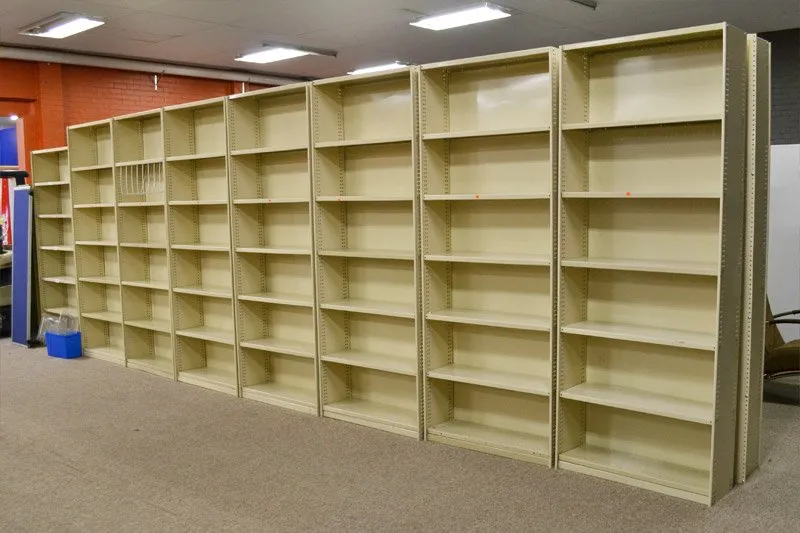
You handle cold chain management by monitoring each step of a temperature-controlled supply chain. You ensure that products remain safe and effective during shipping, handling, storing, and displaying. A clear definition of this process helps you maintain product quality, prevent spoilage, and protect your company’s reputation. When you understand which statement best defines cold chain management, you can keep food and medical items safe, reduce waste, and enhance customer satisfaction. Proper cold storage racking benefit cold chian mangement.
Key Takeaways
Cold chain management helps keep products safe if they need certain temperatures. It works during shipping and storage. – Use tools like IoT sensors to watch the temperature. This helps stop products from going bad. – Keep products in the right temperature range. This keeps them safe and good to use. – Teach your team about cold chain steps. This helps them make fewer mistakes and follow rules. – Good cold chain management makes customers trust you more. It also keeps your business looking good.
Which statement best defines cold chain management
The Core Definition
It is important to know which statement best defines cold chain management. This helps you keep temperature-sensitive products safe from start to finish. Cold chain management uses systems and equipment to keep products at the right temperature. You do this at every step in the supply chain. This keeps food, medicine, and vaccines safe and high quality. You must always check the temperature and conditions. There are strict rules from national and international groups. When you ask which statement best defines cold chain management, you focus on keeping products safe, working well, and following the rules.
Tip: Always use good monitoring tools like IoT sensors and RFID tags. These help you track temperature and product conditions.
Key Phases: Transit, Storage, Display
You handle cold chain products through several main steps. Each step needs careful temperature checks and handling. Rules explain these important steps:
Pre-cooling: You cool products fast after making them to stop spoilage.
Temperature-controlled storage at origin: You keep goods in special places with strong refrigeration.
Temperature-controlled transportation: You move products in cold trucks and watch them in real time.
Distribution and handling: Trained workers keep products cold during unloading and moving.
Temperature-controlled storage: You store items in cold places until customers get them.
Retail and last-mile delivery: You use cold trucks or special boxes for the last delivery.
You must control temperature at every step to stop spoilage and contamination. Good handling and regular checks keep products safe. Training your team and using quality checks are also key parts of cold chain management.
Temperature Monitoring and Product Integrity
You keep products safe by using accurate temperature tools. These tools have sensors that watch temperature limits. Even small changes can ruin food or medicine. Real-time alerts tell you if something is wrong, so you can fix it fast. Data logging keeps a record of temperatures, so you can show you followed the rules.
Here is a table showing the important temperature ranges for different cold chain products:
Cold Chain Product | Temperature Range (°F) | Temperature Range (°C) |
|---|---|---|
Deep freeze | -18.4 to -22 | -28 to -30 |
Frozen | 3.1 to -4 | -16 to -20 |
Chilled | 35.6 to 39.2 | 2 to 4 |
Pharmacy | 35.6 to 46.4 | 2 to 8 |
Cold chain | 53.6 to 57.2 | 12 to 14 |
You must keep products in these ranges to stop spoilage, loss of quality, or safety problems. If you do not control temperatures, you can lose money, recall products, or hurt customers. When you know which statement best defines cold chain management, you can use the right tools and steps to protect your products and your reputation.
Common Misconceptions Explained
Incomplete or Incorrect Statements
Some people think cold chain management is just about keeping things cold. This is not true. There are many steps in cold chain management. You need to watch every step, from pre-cooling to the last delivery. If you skip a step, products may not stay safe or good.
Many workers do not know enough about storage. Some health places do not store things the right way. Power problems can make it hard to keep things cold. Workers do not always get enough training. The table below shows some common problems and what they cause:
Challenge | Description |
|---|---|
Knowledge Level | Most handlers do not know enough, so storage is not always done right. |
Storage Conditions | Some health places do not use the best storage conditions. |
Power Supply | Power that goes out often makes it hard to keep things cold. |
Training | Workers need more training to do better. |
If you do not follow all the steps, you can have big problems. Food can go bad if the temperature changes. Bad management can make people trust you less. If you do not keep records, it is hard to find or recall products fast.
Impact | Description |
|---|---|
Food Quality | If the temperature changes, food can lose quality. |
Consumer Confidence | Bad management makes food less safe and people trust you less. |
Traceability | No records make it hard to track or recall food quickly. |
Why the Best Definition Matters
You need to know the best definition of cold chain management to keep products and people safe. The right definition helps you keep food safe and good. If one part of the chain is weak, food can spoil or make people sick. When you know what cold chain management really means, you can follow safety rules and help keep people healthy.
The right definition helps you keep food safe and good.
One weak part can spoil food or make people sick.
Knowing the right meaning helps you follow rules and keep people healthy.
If you use the right definition, you can train your team better and make your cold chain system stronger. This helps you avoid mistakes and keep your business safe.
Real-World Importance
Healthcare and Vaccines
You help protect people’s health by managing the cold chain for vaccines. Vaccines must stay between +2 °C and +8 °C to work well. If the temperature goes outside this range, vaccines can stop working. This can cause diseases to spread that vaccines should stop. You use special tools like infrared thermometers and data loggers to check and record temperatures at every step.
Here is a table that shows how cold chain management helps keep vaccines safe and stops diseases:
Evidence Type | Description |
|---|---|
Vaccine Efficacy | Good cold chain practices keep vaccines strong and save lives. |
Disease Outbreaks | Bad cold chain management can cause diseases that could be prevented. |
Training Feasibility | Training workers in cold chain practices makes things better. |
Supervision Importance | Watching workers helps keep cold chain practices correct. |
Seroconversion Rates | Poor cold chain management makes vaccines work less well. |
Even one small mistake can ruin a whole batch of vaccines. Cold chain problems cause 0.4% of vaccine waste in private places and 0.5% in public places. When you ask which statement best defines cold chain management, you see how important it is for keeping vaccines safe and saving lives.
Food Safety and Compliance
You help keep food safe and fresh by following cold chain rules. Foods that need cold must be kept at the right temperature to stop bacteria from growing. If food is not cold enough, people can get sick. Groups like the FDA and USDA make rules to keep people safe. You must follow laws like the Food Safety Modernization Act (FSMA) and use systems like Hazard Analysis Critical Control Points (HACCP) to find and fix risks.
Here is a chart that shows how cold chain problems can cause foodborne illness outbreaks:

You need to check and write down temperatures to show you follow safety rules. If you do not, you could get fined, have recalls, or lose customers. Good cold chain management also helps your business by cutting waste and making your reputation better. You make sure food gets to people safe, fresh, and ready to eat.
You have learned that cold chain management is about keeping products at the right temperature. You must follow clear rules and watch every step closely. Here are the most important parts:
Key Component | Description |
|---|---|
Temperature Control | Make sure products stay in safe temperature ranges. |
Monitoring | Use special tools to check and record conditions all the time. |
Compliance | Always follow the rules and keep good records. |
Teaching your team these basics helps stop spoilage.
The right tools help people trust you and keep your business safe.
Use these steps at work to keep products and people safe.
FAQ
What is the main goal of cold chain management?
You keep products safe and effective by controlling temperature at every step. This stops spoilage and protects people’s health.
Why do you need to monitor temperatures all the time?
You must watch temperatures to catch problems early. Even a small change can ruin food or medicine. Real-time monitoring helps you act fast.
Which products need cold chain management?
You use cold chain management for vaccines, medicines, dairy, meat, seafood, and some fruits and vegetables. These products spoil or lose quality if they get too warm.
How does training help your cold chain process?
You train your team so they know how to handle products, use equipment, and follow safety rules. Good training lowers mistakes and keeps products safe.
What happens if you break the cold chain?
If you break the cold chain, products can spoil or become unsafe. You may face recalls, fines, or lose customer trust.

 EN
 ES
 FR
 PT
 DE
 IT
 RU
 JA